Élevé · Issue 3 · Coming Back
Now, It’s Time to Fly
became something more enduring, a quiet, persistent pull toward a life defined by
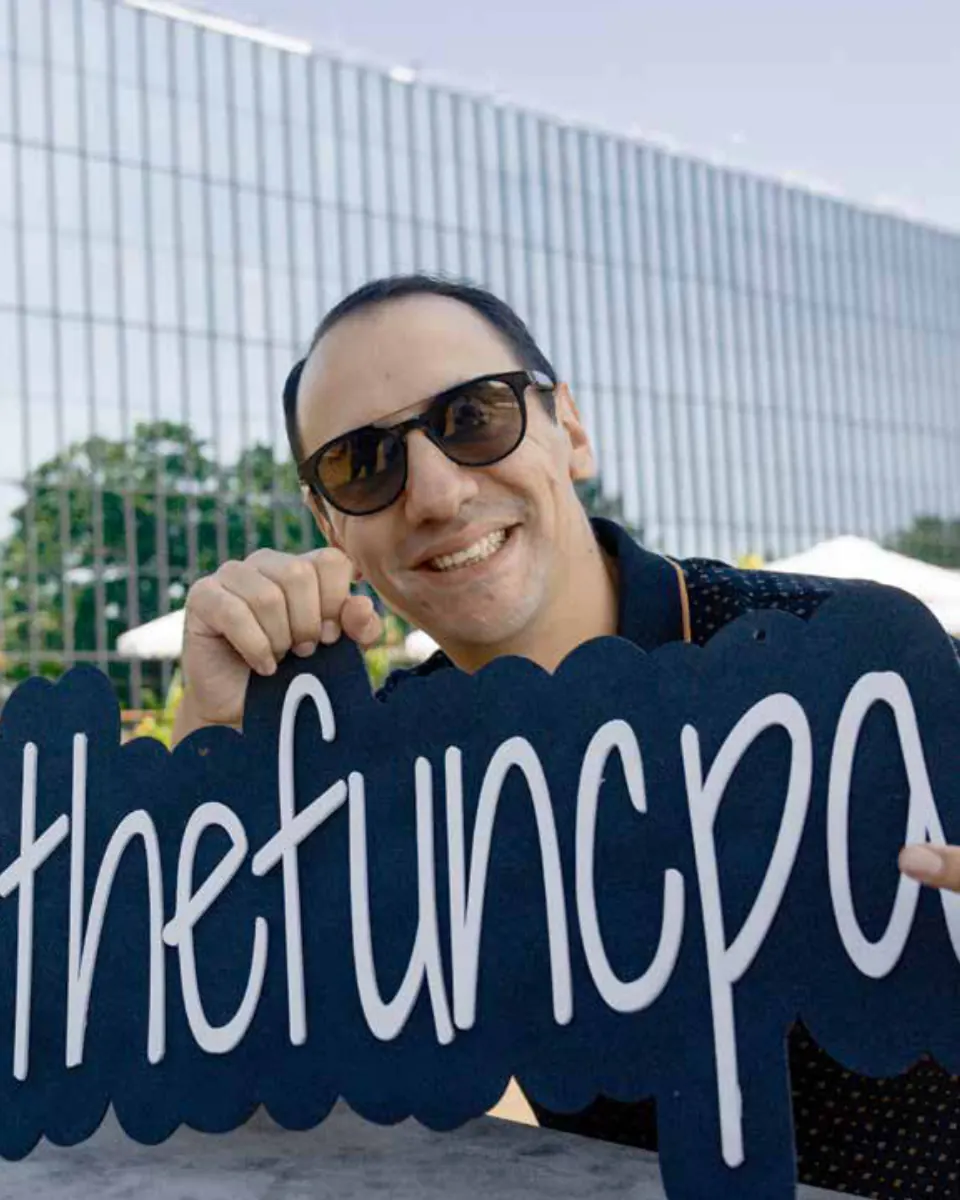
For Yuri Kapilovich, the dream has never really left. It started quietly, in his teens, with hours spent on flight simulators and a fascination with planes that felt less like a phase and more like something waiting. Decades later, after building a career and a life shaped by different choices, that pull toward the sky still lingers. “It was like the freedom,” he says, describing what first drew him in. Not prestige, not practicality, but the idea of being able to “go anywhere, do whatever you want.”
The dream now is simple, if not easy. To earn his pilot’s license. To reclaim a version of freedom he’s spent years intentionally building on the ground.
For most people, a dream like that fades. It gets replaced by something more practical, more urgent, more aligned with the life that actually unfolds. But for Yuri, flying never fully disappeared. It just moved to the background, quietly coexisting alongside everything else he was building.
A career that didn’t go exactly as planned, shaped in part by a single unexpected moment. “Had I gotten an A in a class, I probably would’ve gone into finance,” he explains. Instead, a grading mix-up closed one door and opened another, leading him into accounting. It wasn’t the path he originally envisioned, but it became the one he committed to.
That pattern, life nudging things in a different direction, shows up more than once. Flying, too, had its moment of forward motion before being paused. A few lessons. A few hours in the air. Enough to confirm what he already suspected, that it felt exactly the way he imagined. “That takeoff feeling… it was definitely a cool feeling,” he says. But like many things that require both time and money, it didn’t fit neatly into the version of life he was building at the time. So he stepped away. Not permanently. Just long enough for other priorities to take shape.
Today, those priorities are clear. A business designed intentionally, not to maximize output, but to support a certain kind of life. One where freedom isn’t theoretical, it’s built into the day. “If you want to go to the gym, or go on a boat ride, or just do something in the middle of the day, that’s freedom to me,” he says. It’s a deliberate rejection of the expectation that success in his profession requires constant availability. There’s a tradeoff, of course. “You’re not going to have millions of dollars of income,” he admits. But for him, that’s not the point. Being present for his family is.
That mindset didn’t appear overnight. It was shaped, in part, by observing a different way of living. Time spent in Europe left an impression that went beyond the scenery. It was the rhythm that stood out. The way people structured their days. The way work existed, but didn’t consume everything around it. “They work to live, not live to work,” he says. It’s a distinction that’s easy to recognize and much harder to replicate, especially in a place where the cost of living and cultural expectations pull in the opposite direction.
Still, he’s built something that gets as close as possible. A version of success that prioritizes time over scale, presence over constant growth. And within that framework, the idea of flying fits differently than it once did. It’s no longer something that competes with everything else. It’s something that complements it.
Because the dream itself hasn’t changed. If anything, it’s become more defined. Not as a career, but as an experience. A skill. A way to move through the world differently. “If I had the time, I would do it,” he says simply. The barrier now isn’t desire. It’s logistics. Hours required. Training. The practical realities that come with earning a license.
And yet, the vision is clear. Small, specific moments that make the whole thing feel real. Flying to the beach for the day. Taking his wife and kids along for the ride. Turning what would normally be a drive into something else entirely. “That’d be super cool,” he says. It’s not framed as a grand, life-altering goal. It’s framed as something more personal. Something that adds to the life he already values.
That perspective becomes even more meaningful in the context of family. Because having children doesn’t eliminate dreams, it reshapes them. It changes how time is allocated, how decisions are made, what feels possible in a given moment.
“Your priorities shift,” he says. There are fewer impulsive decisions, fewer opportunities to chase something purely for yourself. But there’s also more meaning in how you choose to spend your time.
And maybe that’s what makes this dream different. It’s not about escape. It’s not about leaving anything behind. It’s about adding something in. Something that has been there, quietly, for more than 20 years.
If his kids ever read this one day, he knows exactly what he’d want them to take away. Not the specifics of flying, or even the details of his career path. Something simpler. “Be a good person,” he says. “Treat people well, treat people respectfully. All the things will come to you eventually.”
It’s the kind of advice that mirrors the way he’s chosen to live. Intentionally. Thoughtfully. Focused on what matters, even when that means letting go of what doesn’t.
And maybe that’s why the dream of flying has stayed. Because at its core, it was never really about the plane. It was about freedom.
Not the kind that requires leaving everything behind. The kind you build first, and then, when the time is right, finally take into the sky. by Ian Vacin and Jason Blumer
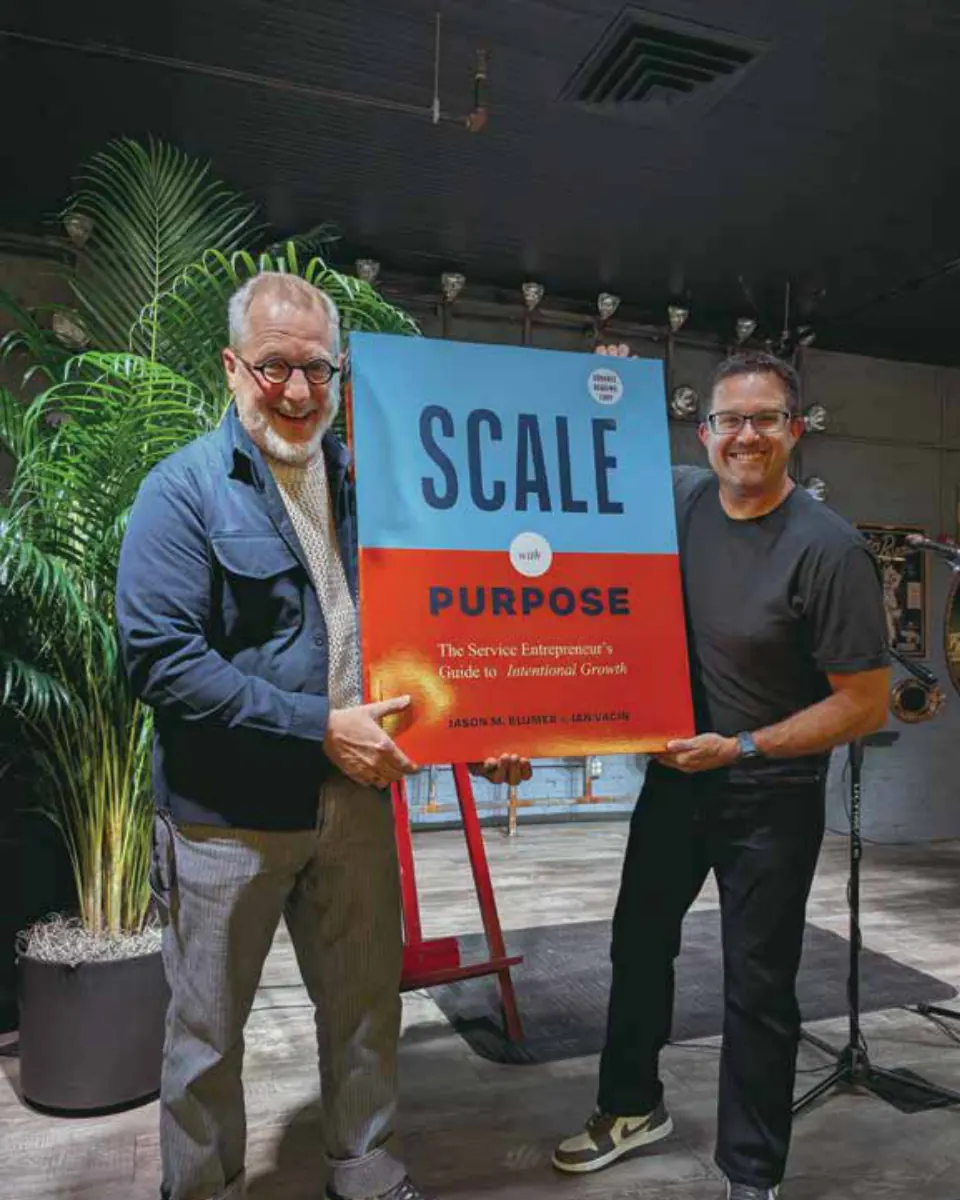
Scale with Purpose is a thoughtful, highly practical guide to growing a service-based business without losing control of it in the process. Written specifically for firm owners and service entrepreneurs, the book challenges the default assumption that growth is always a good thing and instead asks a more important question: Is your business growing in a way that actually works?
Drawing on decades of experience and real-world data, Ian Vacin and Jason Blumer break down what it really takes to scale intentionally. At the center of the book is a focus on human capital, your team, their capacity, and how work is structured across the business. Rather than pushing for constant expansion, the authors emphasize understanding workload balance, planning capacity, and aligning growth with what your business can sustainably support.
The book walks through the different stages of growth, showing that scaling is not linear but a series of shifts that require new structures, decisions, and leadership approaches. It offers clear frameworks for thinking about hiring, profitability, and operational design, all grounded in the realities of running a service firm. by Kristy Short
Civil Warrior is a raw, deeply personal look at what it means to keep performing while quietly struggling. In this memoir, Kristy
Short shares her long battle with anxiety, depression, and workplace burnout, drawing from years of lived experience in high-pressure professional environments. The book unfolds through a series of honest, journal-like reflections, capturing moments of panic, exhaustion, and resilience without trying to smooth them over.
What makes Civil Warrior stand out is its refusal to offer a tidy resolution. Instead, it leans into the complexity of mental health, especially for high achievers who by Candy Bellau
You are working with a new client
- the books are a mess, cash flow is tight, and no one has answers.
Something feels off, but you are not sure what is going on. Before jumping to conclusions, you need to sift through the chaos and provide answers.
Bad bookkeeping, mismanagement, and fraud can look identical on the surface. The difference lies in intent, opportunity, and what can happen when no controls are in place.
The Fraud-Informed Advisor™ was born out of the question
Candy Bellau is most often asked at conferences – how do I tell the difference between mismanagement and fraud? This book provides accountants, bookkeepers, are often the most practiced at hiding their struggles. Kristy challenges the idea that silence equals strength, calling attention to the cost of pushing through without acknowledgment or support.
This is not just a story about hardship, it is about awareness.
It invites readers to recognize the signals of burnout, to question the expectations they carry, and to rethink what strength actually looks like. For anyone navigating demanding work and the pressure to hold it all together, Civil Warrior offers something rare: honesty, perspective, and the quiet reassurance that they are not alone.
CPAs, and financial advisors with a framework for thinking clearly, asking the right questions, and confidently providing feedback based on facts, not feelings.
You will learn about the fraud triangle, the Three C’s, how to recognize red flags, and what gateway theft is. This five-phase diagnostic process can be used in any engagement, at any stage of your career.
Your client may not know if there is a wolf in their midst dressed as an innocent sheep… but you will.
Text adapted from the print edition of Élevé.
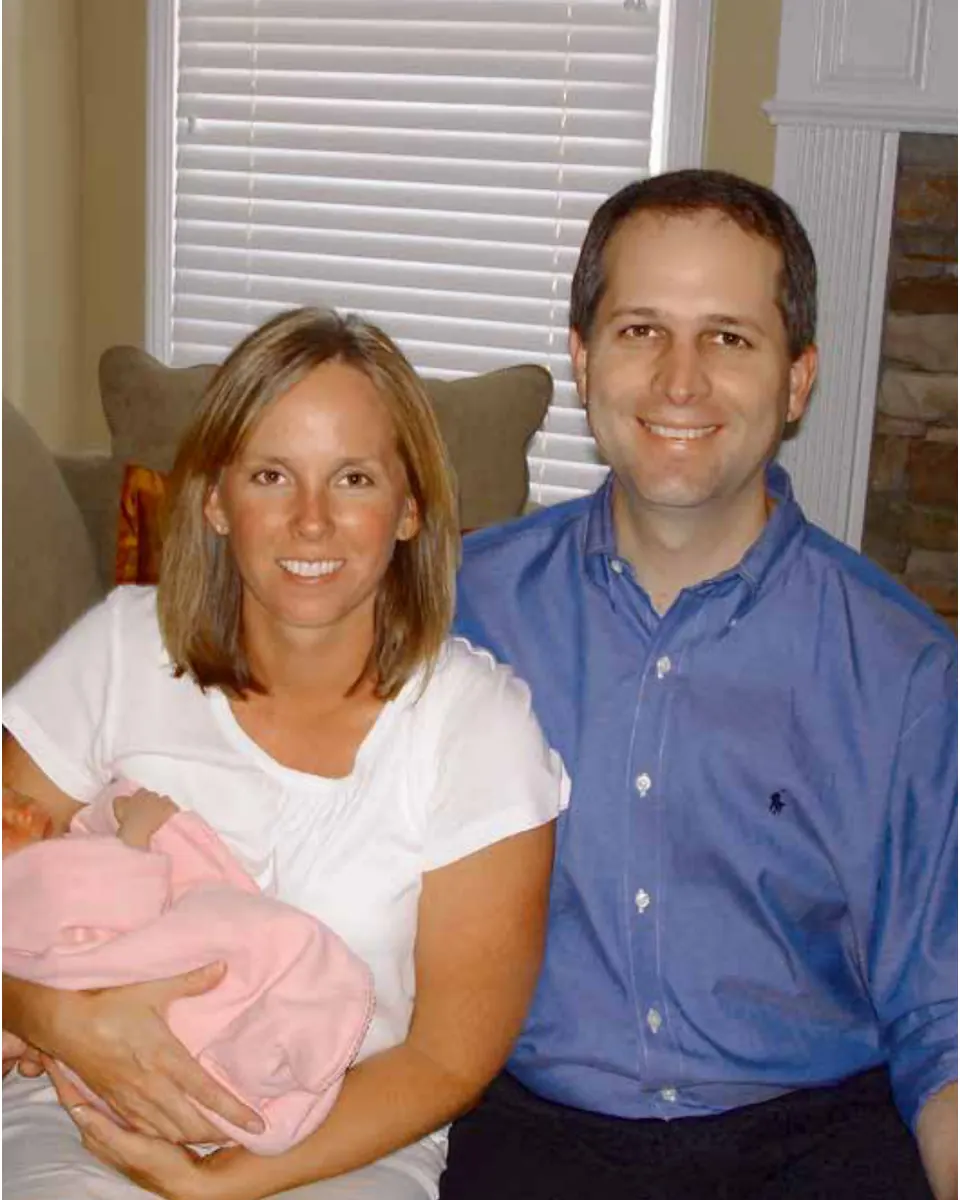 The Phone Call That Made Him a Dad
 The Unfinished Part of an Otherwise Complete Career
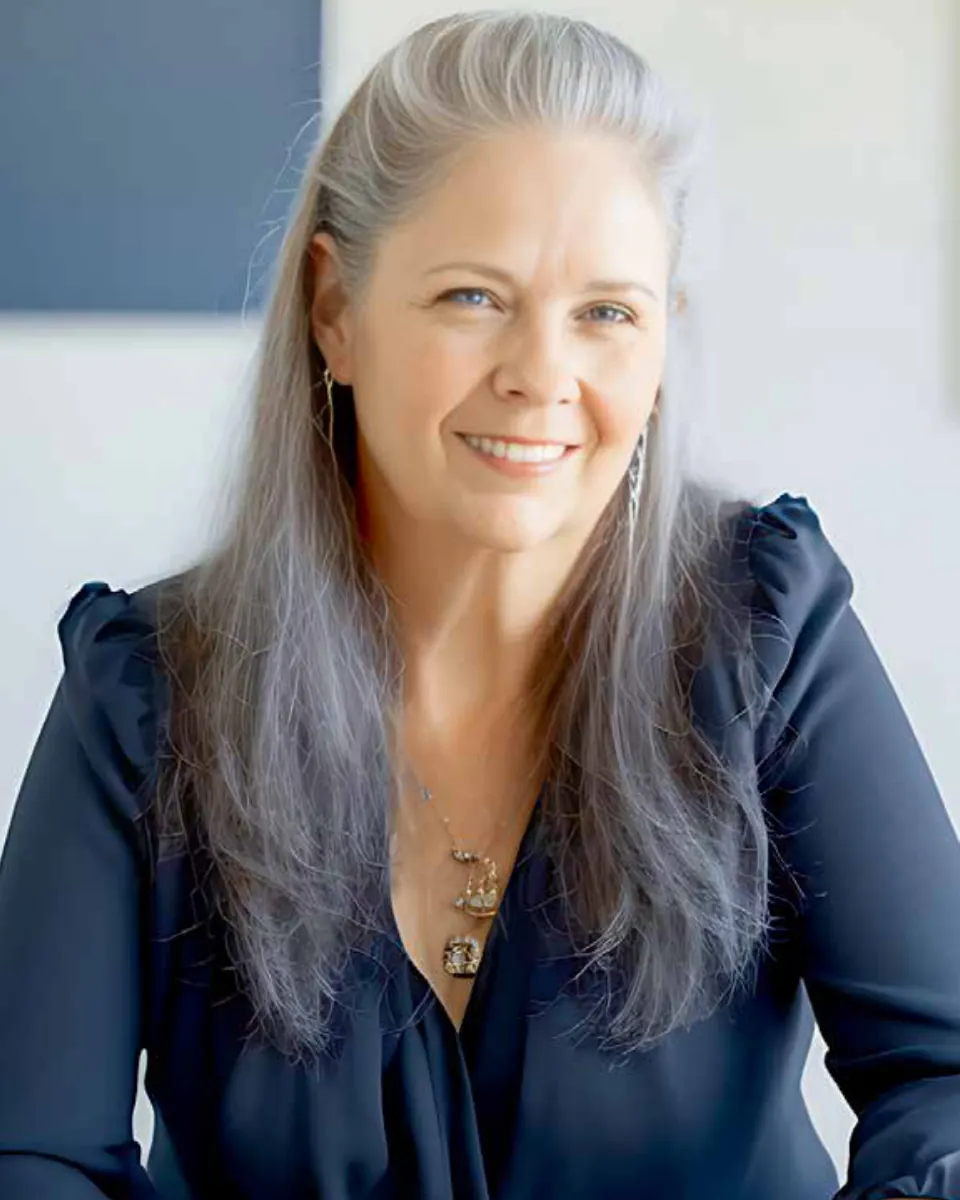 “He’s My Why”: The Life She’s Building for What Matters Most