Élevé · Issue 3 · Coming Back
“He’s My Why”: The Life She’s Building for What Matters Most
After building a business to create flexibility, Caroline Passmore is chasing something quieter, a home by the water, fewer working hours,
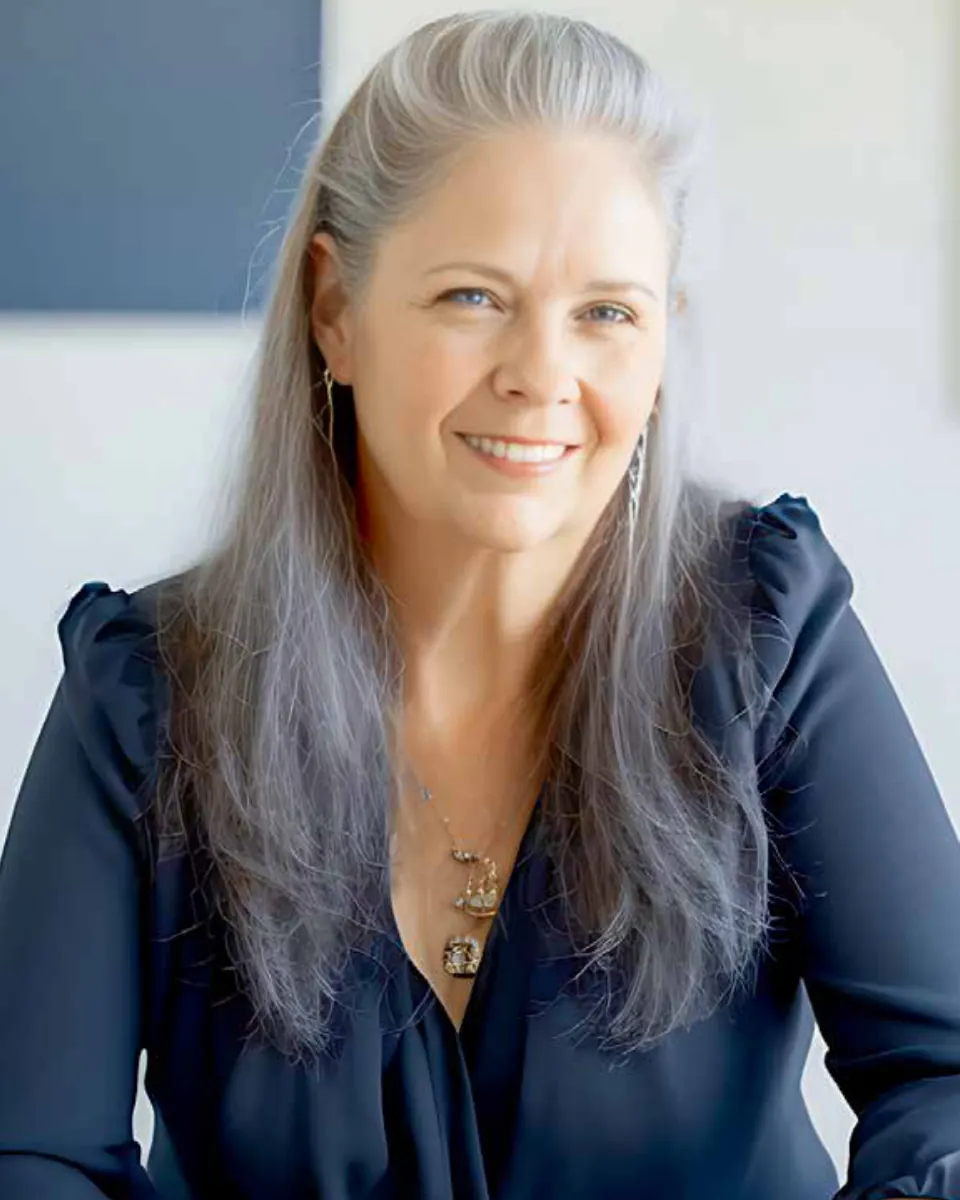
For Caroline Passmore, the dream isn’t complicated, even if it carries the weight of everything that matters most. “We value every moment that we still have together,” she says of her husband, whose illness has reshaped how they think about time. What she wants now is a home by the water where life can slow down, where he can fish when he feels up to it, and where they don’t have to plan around distance, traffic, or uncertainty.
After building a business that allows her to work from home and support her team, Caroline is finally close to the life she’s been working toward, one centered not on work, but on being present for the person who is, as she puts it, “my why.”
The clarity of that dream didn’t come from ambition. It came from disruption.
There was a time when life followed a more familiar rhythm, workdays structured, responsibilities layered, and the future assumed to stretch comfortably ahead. But when her husband was diagnosed with a tumor in his spine, that sense of certainty shifted. Time stopped feeling infinite. It became something to notice. Something to protect.
“It’s a hard thing to deal with knowing that we never know how long we’ve got together,” she says.
And yet, within that uncertainty, something else took shape. A sharper sense of what matters. A refusal to let life be dictated by urgency that doesn’t serve them. A quiet, steady decision to build a life that makes space for what they still have.
That life centers around a place she calls their “last home.”
Not because it marks an ending, but because it represents arrival. A place where the outside noise softens. Where daily life no longer requires navigating traffic, schedules, and constant movement. Where staying home is enough.
“To find the place where we both can be happy… where we will find peace for ourselves,” she says.
In her mind, it’s always near the water. That detail never changes. Whether it’s a lake just beyond the backyard or a nearby river, the presence of water is essential. It offers something intangible but immediate, a sense of calm, a rhythm that doesn’t need to be forced.
It also offers something practical. If her husband wakes up feeling unwell, the day can unfold gently. If, by afternoon, he feels strong enough to go outside, he won’t need to plan, pack, or travel far. He can simply pick up a fishing rod and step into a part of himself that has always been there.
Fishing isn’t a casual hobby for him. It’s been part of his life since childhood, when he worked on a charter boat at just seven years old. Over time, it became something more serious, something he pursued with discipline and intention, competing in bass fishing tournaments and building a reputation that reached a national level.
He had plans.
But like so many plans, they were interrupted.
His body, after years of demanding work and physical strain, no longer allowed him to continue in the way he once imagined. And then came the diagnosis, another shift, another layer of limitation that neither of them had planned for.
Still, Caroline doesn’t frame his story around what’s been lost. She talks about who he is.
“He’s an extraordinary fighter,” she says. It’s that spirit that shapes the life they’re building now. Not a life of retreat, but one of intention. One that prioritizes what he can do, what they can share, and what still feels possible.
That’s why the dream includes small, specific details. Chickens in the yard. More bunny rabbits, something she laughs about as an “obsession.” Fruit trees they’ve talked about planting for years.
These aren’t aesthetic choices. They’re expressions of a life lived closer to the ground. A life where time is spent tending, caring, noticing.
It’s also a life she’s been building toward for years, even if she didn’t fully realize it at the start.
Her business began as a solution. Working outside the home became difficult as her husband’s health required more of her presence, so she created something that allowed her to stay close. Something flexible. Something she could shape around their life instead of the other way around.
Over time, that solution became something bigger. Today, she leads a team of six, primarily women working part-time, many of them balancing motherhood and careers in ways traditional jobs don’t always allow. The structure is intentional. Flexible hours. Work that fits into life, not over it.
“I’m not building my business for me,” she says. “I’m building my business for them.”
In giving them that freedom, she also created the possibility of her own.
Now, for the first time, she’s able to step back. Not completely, but enough. Enough to imagine mornings without alarms. Days that don’t revolve around deadlines. Time that can be spent together without needing to be carved out.
That transition hasn’t been effortless. The past year, in particular, has been defined by preparation, getting their current home ready to sell, completing repairs, making decisions, moving toward something that still feels just out of reach.
But now, they’re close.
“It’s exciting,” she says. “It’s going to be just a huge sense of relief… on to the next adventure.”
There’s a quiet bravery in that kind of transition. Letting go of a place that holds years of memory. Stepping into something not fully defined. Trusting that the life you’re building will meet you when you get there.
For Caroline, that trust is grounded in something deeper than certainty.
It’s grounded in relationship.
She met her husband online, both of them carrying histories, previous marriages, complicated pasts. When he entered her life, her son was sixteen, and the adjustment wasn’t seamless. There were differences in personality, in expectations, in the way their lives had been structured.
But over time, those edges softened. Today, she describes the relationship between her son and her husband as close, easy, rooted in mutual respect. Their families blended, expanded, and grew into something that feels stable, supportive, and deeply connected.
That foundation is what makes the dream possible. Not the house. Not the land. Not even the water.
Those are the setting.
The center is the life they’ve already built together, and the decision to protect it, to prioritize it, to shape everything else around it.
“He’s my why,” she says. It’s a simple sentence. But it carries the weight of every decision that followed.
The business she built. The hours she’s working to reduce. The move they’re preparing to make. The life they’re choosing, deliberately, before time has a chance to make the choice for them.
What Caroline is creating isn’t about escape. It’s about alignment.
A life where work supports what matters, not competes with it. Where time is spent intentionally. Where presence isn’t something you have to fight for.
A home by the water. A slower pace. A life built around love, while it’s still here to be lived.
Text adapted from the print edition of Élevé.
 What If Conferences Felt Like This Instead?
 For the Ones Who Never Get Credit
 The Three-Day Workweek