Élevé · Issue 3 · Coming Back
Slow and Steady, She Finally Got It Right
stand fully on her own, she redefined what marriage meant, choosing partnership not out of expectation but out of intention.
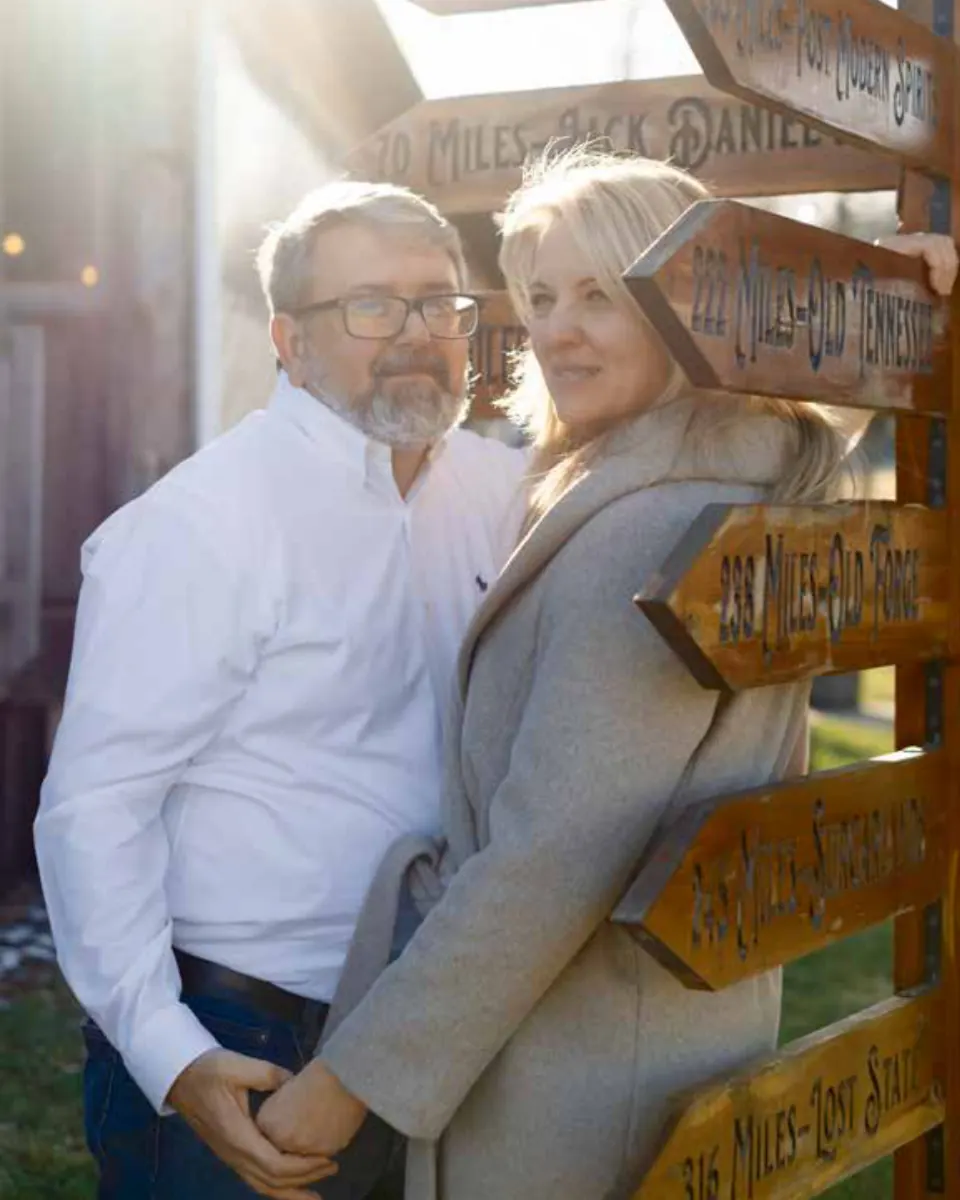
For years, Laura Beth (LB) Sullivan believed marriage was something she was supposed to want, a milestone shaped more by expectation than conviction. But somewhere between therapy, building a business, and learning how to like her own company, that idea shifted. What once felt like pressure became something far more intentional. “I really want to partner with a good man,” she says, describing a desire that emerged not from fear of being alone, but from a deep understanding of who she had become. The dream was no longer about timing or appearances. It was about readiness, about choosing a relationship that would make her healthier, not just happier, and trusting herself enough to wait for it.
In her 20s, marriage felt like a next step she was supposed to take. It existed alongside another expectation, that life would naturally include both a husband and children, that happiness would follow that formula if she followed it correctly. But even then, there were early signals that her path might not unfold that way. Her parents, steady in their perspective, reminded her often that “there are worse things in life than being single,” a message that would later anchor her when the timeline she once imagined began to stretch.
As she moved into her 30s, something began to change. Through therapy, through pursuing a master’s in counseling, and through the quiet, ongoing work of understanding herself, her perspective on relationships deepened. What had once been about checking a box became something more nuanced, more intentional. Marriage was no longer about meeting a societal expectation. It became about partnership. About growing alongside someone. About choosing, not needing.
That distinction mattered more than she realized at the time.
Because alongside that growth came uncertainty. There were moments when she wondered if it might not happen at all. Turning 40 forced a kind of reckoning she hadn’t been able to avoid before. She knew she didn’t want to have children after that point, which meant letting go of a version of life she had once assumed would be hers. “I grieved it,” she says, acknowledging both the loss and the quiet acceptance that followed. It wasn’t just about timing. It was about identity, about releasing the idea that her life had to look a certain way to be meaningful.
There were harder moments, too. Seasons where the gap between what she thought her life would be and what it was felt especially sharp. She describes periods marked by frustration, by trying to fill that gap in ways that didn’t align with who she wanted to be. “I would go home and look in the mirror and be like, who am I?” she says. It was less about any one decision and more about the realization that she was living outside of her values, trying to force something that wasn’t right.
That awareness became a turning point.
In one relationship, she recognized something uncomfortable but undeniable. She wasn’t showing up as her full self. She was trying to control outcomes, trying to shape the relationship into something that would ease her own loneliness. “I felt like I was using him to not be lonely,” she says. “And that’s not who I want to be.” Walking away meant choosing integrity over comfort, even when it would have been easier to stay.
It was a decision she could not have made years earlier.
That version of herself, she knows now, wasn’t ready yet. Not for the kind of relationship she ultimately wanted. “I still needed to do a lot of learning and growing,” she says. And that learning didn’t come all at once. It came through small, compounding moments. Choosing to go to grad school. Leaving a stable role to start her own business. Letting go of friendships that no longer felt healthy. Surrounding herself with people who reflected back a version of herself she was still learning to believe.
“They saw who I was and called me out,” she says. “They stood in that gap until I got there.”
Over time, something shifted internally. Not in a dramatic, overnight way, but in a steady accumulation of self-trust. She began to like who she was. To recognize her own worth without needing it reflected back through a relationship. “I am a gift,” she says, describing a realization that felt both simple and hard-won. It wasn’t about becoming someone new. It was about finally seeing herself clearly.
And with that came a different kind of peace.
Two months before she met Barry, she reached a point she describes as surrender. Not resignation, but a conscious decision to stop forcing something she could not control. “I don’t want to make something happen just because I’m not willing to wait,” she says. It was a quiet shift, but a significant one. For the first time, she was no longer trying to engineer the outcome.
When Barry entered her life, she didn’t meet him with wide-eyed optimism. If anything, she was cautious. Protective of her energy, aware of how much she had already invested in her own life and work. “I don’t have the energy to go through heartbreak again,” she says. Instead of leaning in quickly, she did the opposite. She set clear boundaries. She told the truth, even when it felt blunt. She refused to shape herself to fit what she thought he might want.
“I’m not doing that anymore,” she says. “You either are okay with me, or you’re not.”
What made this relationship different wasn’t a sudden, overwhelming feeling. It was consistency. Barry knew what he wanted, and he wasn’t afraid to pursue it. He respected her boundaries. He showed up steadily, without games or ambiguity. “A man is like, I know what I want,” she says. “I’m not going to let you go.”
Their relationship unfolded slowly, intentionally. Both of them carrying past experiences that made them cautious, but also clear. They set a shared pace from the beginning. “Slow and steady,” she says, a phrase that would eventually be engraved inside their wedding rings. It wasn’t just a sentiment. It was a commitment to doing things differently this time.
There was no rush to prove anything. No need to force certainty before it was ready. Instead, there was a steady accumulation of reasons to stay. To say yes, one step at a time.
When he proposed, she was caught completely off guard. Not because she didn’t see a future with him, but because she wasn’t tracking it, wasn’t trying to predict or control when it would happen. “What are you doing?” she remembers asking, surprised as he got down on one knee. And then, just as quickly, the answer became clear.
It wasn’t about a perfect moment. It was about a mutual decision.
“I want to say yes to him before I say yes to anyone else,” she says. That, more than anything, is how she defines knowing.
Marriage, she admits, surprised her in ways she didn’t expect. Not in grand, sweeping gestures, but in the quiet, daily reality of it. “I enjoy being around him,” she says, almost laughing at how simple and significant that realization is. After years of independence, of building a life on her own terms, she didn’t feel confined. She felt grounded.
“I’m not in the relationship to make me happy,” she says. “I’m in the relationship to make me healthy.”
It’s a distinction that reframes everything.
Because for LB, the dream was never just marriage. It was becoming the kind of person who could choose it for the right reasons. Someone who could stand fully on her own and still decide to share her life with someone else. Someone who understood that love is not something you force into existence, but something you grow into, slowly, steadily, over time.
Looking back, she knows it would not have worked if she had met Barry earlier. Not because of him, but because of who she was then. “I wasn’t ready,” she says simply.
Now, the dream feels different than it once did. Less about timing. Less about expectation. More about alignment.
“Don’t waste your life wishing for what it could be,” she says. “Live where you are.”
Because for her, that was the turning point. Not finding love, but becoming someone who no longer needed to chase it.
And then, when the time was right, choosing it anyway.
Text adapted from the print edition of Élevé.
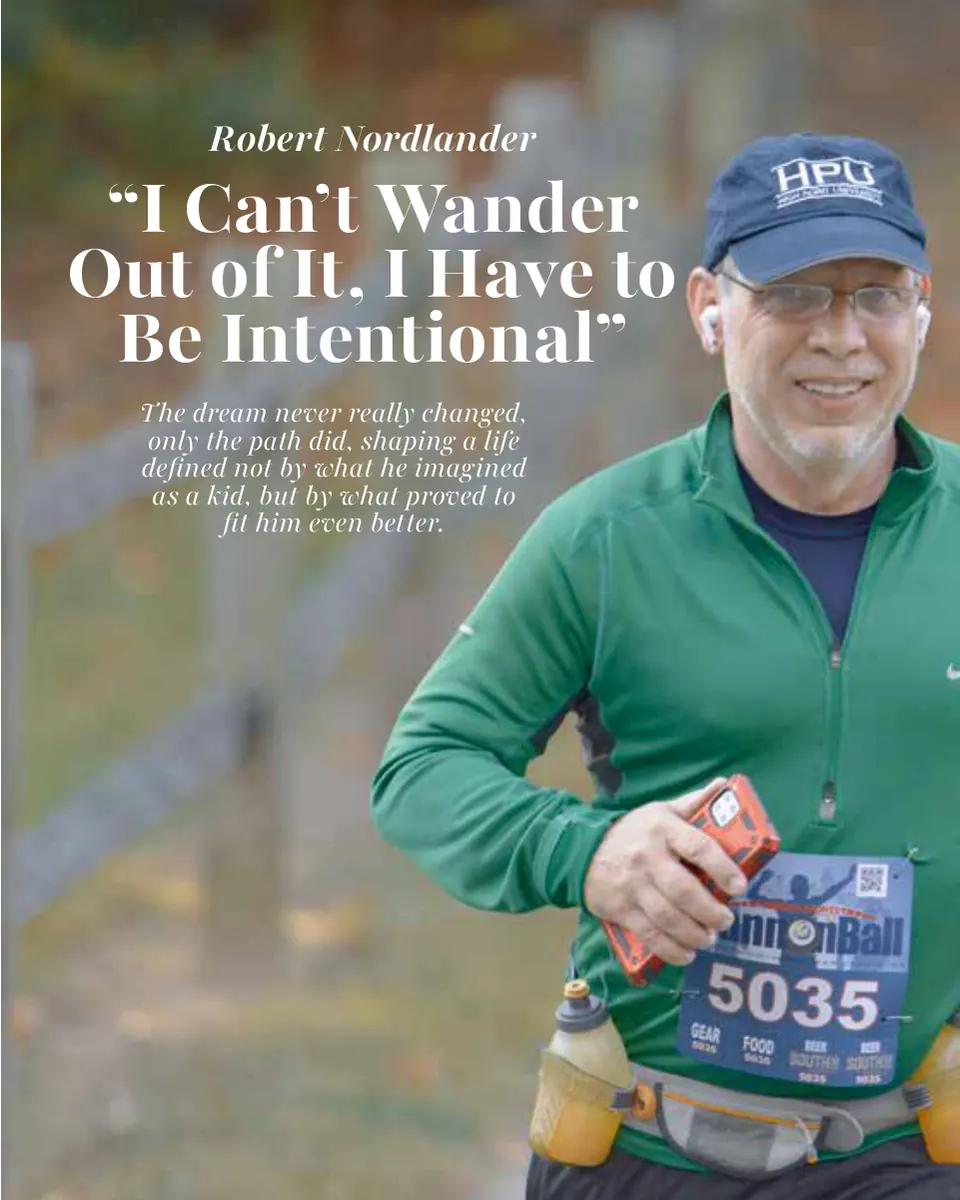 “I Can’t Wander Out of It, I Have to Be Intentional”
 “Why Are You Waiting?”
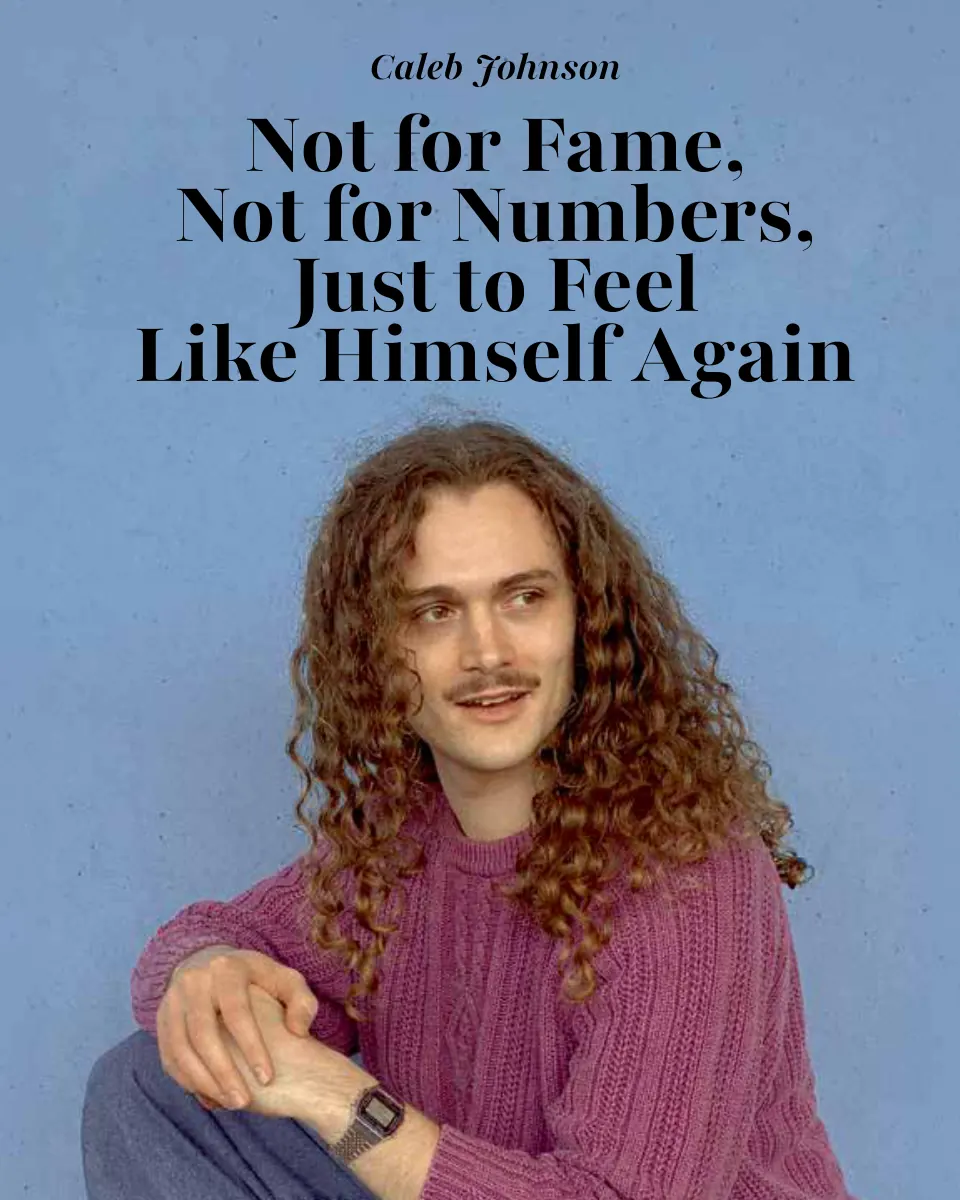 Not for Fame, Not for Numbers, Just to Feel Like Himself Again