Élevé · Issue 3 · Coming Back
Not for Fame, Not for Numbers, Just to Feel Like Himself Again
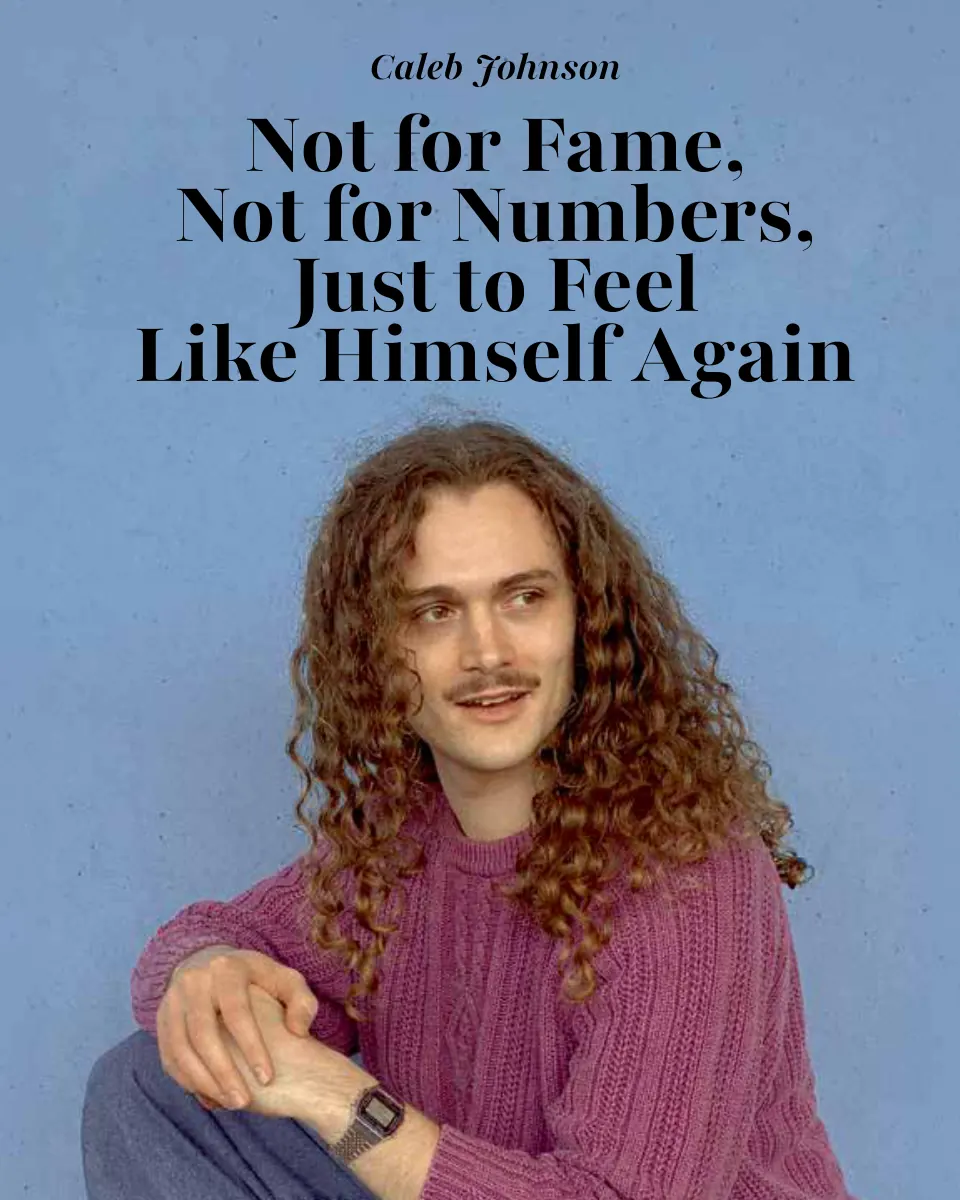
Caleb Johnson didn’t grow up chasing the kind of dream that comes with metrics attached to it. There was no vision board filled with streaming numbers, no fixation on audience size or industry validation. Music was there early, woven into the fabric of his childhood, but it wasn’t something he questioned or defined. It simply existed, something he did because it was part of his world.
His mom was musical, always singing, always connected to it in a way that made it feel alive in their home. She had traveled and performed in college, and that sense of movement, of expression, stayed with him. By the time he was six or seven, he was already in lessons, starting with the recorder before quickly moving to the trumpet. What followed was years of formal training, the kind that teaches discipline as much as it teaches sound. Reading sheet music. Playing in orchestras. Learning how to follow structure before ever questioning it.
From eight to eighteen, music was constant, but it was also defined. Classical. Structured. Guided. It lived within the boundaries of what was written on the page. And then, as often happens with things that are tied to a specific season of life, it stopped. College came, and with it, a quiet disconnection. Not just from music, but from having any kind of creative outlet at all.
For a while, that absence didn’t feel urgent. Life filled in around it. Work, routines, the early stages of building a career. On the surface, everything looked like it was moving in the right direction. But somewhere underneath that, something started to feel off.
He was in a sales role, early in his career, doing what he describes as “going through the motions,” settling into what he calls the “groove of life.” It was stable. Predictable. The kind of path that makes sense on paper. But there was a growing awareness that something was missing, something he hadn’t realized he had lost until he felt the absence of it.
“I need something that reminds me of who I am,” he says now, reflecting on that moment. Not something tied to performance. Not something measured by outcomes or evaluated in a quarterly review. Something separate. Something his.
The return to music didn’t come from a single, dramatic decision. It unfolded more quietly, through a realization that there was still something inside him that needed a place to go. That realization sharpened during a songwriting session he attended, led by a music producer in London. It wasn’t about technique or theory. It was something more abstract.
At one point, the group was asked to write as if they were rain. Not themselves, but something else entirely. To answer questions from that perspective. It felt strange, almost detached, until the exercise shifted.
When they returned to themselves and looked at what they had written, the realization landed. What felt abstract was actually deeply personal. “There’s a ton inside of me that I need to get out on a piece of paper,” he says.
That moment didn’t just reconnect him to music. It reframed it. It became less about skill and more about expression. Less about getting it right and more about getting it out.
Since then, his approach has been intentionally simple. No waiting for the perfect setup. No holding off until he feels more qualified. Just creating with what he has, exactly where he is.
His current setup is modest: a laptop, basic monitors, and a simple workspace. But that limitation has become part of the process. “Do what I can with what I have already,” he says, a mindset that keeps him from getting caught in the endless loop of needing more before starting.
Most days, creating looks less like a polished session and more like experimentation. Opening the software. Trying something. Learning as he goes. Some sessions end with something he’s proud of. Others don’t. But the outcome isn’t the point.
“It’s more about the practice of showing up and being present for the art form than anything else,” he explains.
That consistency has led to something tangible. His first single, created alongside friends, including his wife, who is featured on the track, was released without expectation. No targets. No pressure. Just curiosity.
And that’s what made it meaningful.
“I didn’t really have any expectations for it… it could just exist,” he says.
What surprised him wasn’t the release itself, but what followed. Messages from people he didn’t expect. Casual connections reaching out to say they were listening, that the song had found its way into their playlists. Small moments of connection that only happen when something is put out into the world without control over how it will be received.
Those moments reinforced something he’s still learning to trust. The value isn’t in trying to make something for everyone, but in making something honest enough that it resonates with someone.
That idea carries into the kind of music he’s creating now. A project he describes as affirmations for his current season of life, grounded in his experience in his early twenties and the pressure, uncertainty, and constant push for self-improvement that come with it.
Instead of leaning into the weight of those feelings, he flips them.
A song about feeling behind becomes “right on time.” A tendency toward self-criticism becomes a reminder that growth and self-acceptance can exist at the same time. The music doesn’t ignore reality, but it reframes it, offering something steadier in return.
If the dream continues to grow, he’s clear about what he wants it to feel like.
Not forced. Not rushed. Not performative.
Just an extension of who he already is.
“I think it would just feel like an expression of who I am,” he says. And more than that, something that might give other people a moment of ease in the middle of everything else they’re carrying.
There’s also a clarity about what he doesn’t want. The parts of the industry that prioritize status over substance. The pressure to fit into something more marketable at the expense of individuality. He’s seen how easily that can dilute what makes something meaningful in the first place.
“People want the edge,” he says. The thing that’s different. The thing that feels like it belongs to the person who made it.
Looking ahead, he doesn’t define success in terms of scale. He defines it in terms of consistency. Music as a “landing place,” somewhere he can return to, whether it’s to process something difficult or to create something entirely new.
Because for him, this dream isn’t about becoming something else.
It’s about staying connected to who he already is.
And if a future version of himself could speak back to him now, there’s a sense of what that would sound like. A kind of reassurance.
“You’re on to something,” he says. A reminder to trust the process. To stop second-guessing. To keep creating the things only he can make, for the people who will recognize themselves in it.
AI-Powered Insights Mira delivers actionable intelligence around the clock
Effortless Scaling Grow your advisory practice without growing headcount
Trusted by thousands worldwide
Built for Accountants Purpose-built FP&A tools for the accounting industry
Text adapted from the print edition of Élevé.
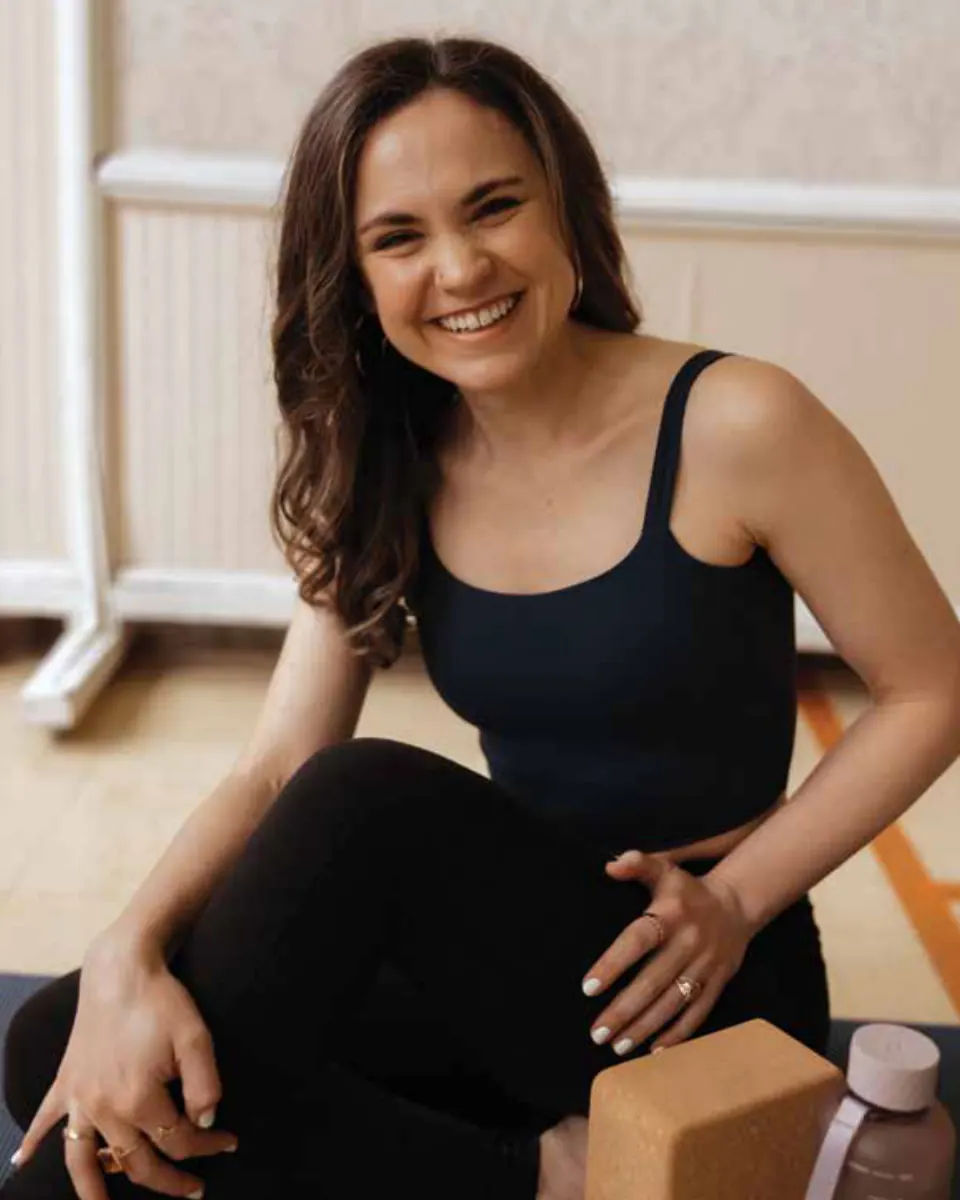 The Dream That Waited 20 Years
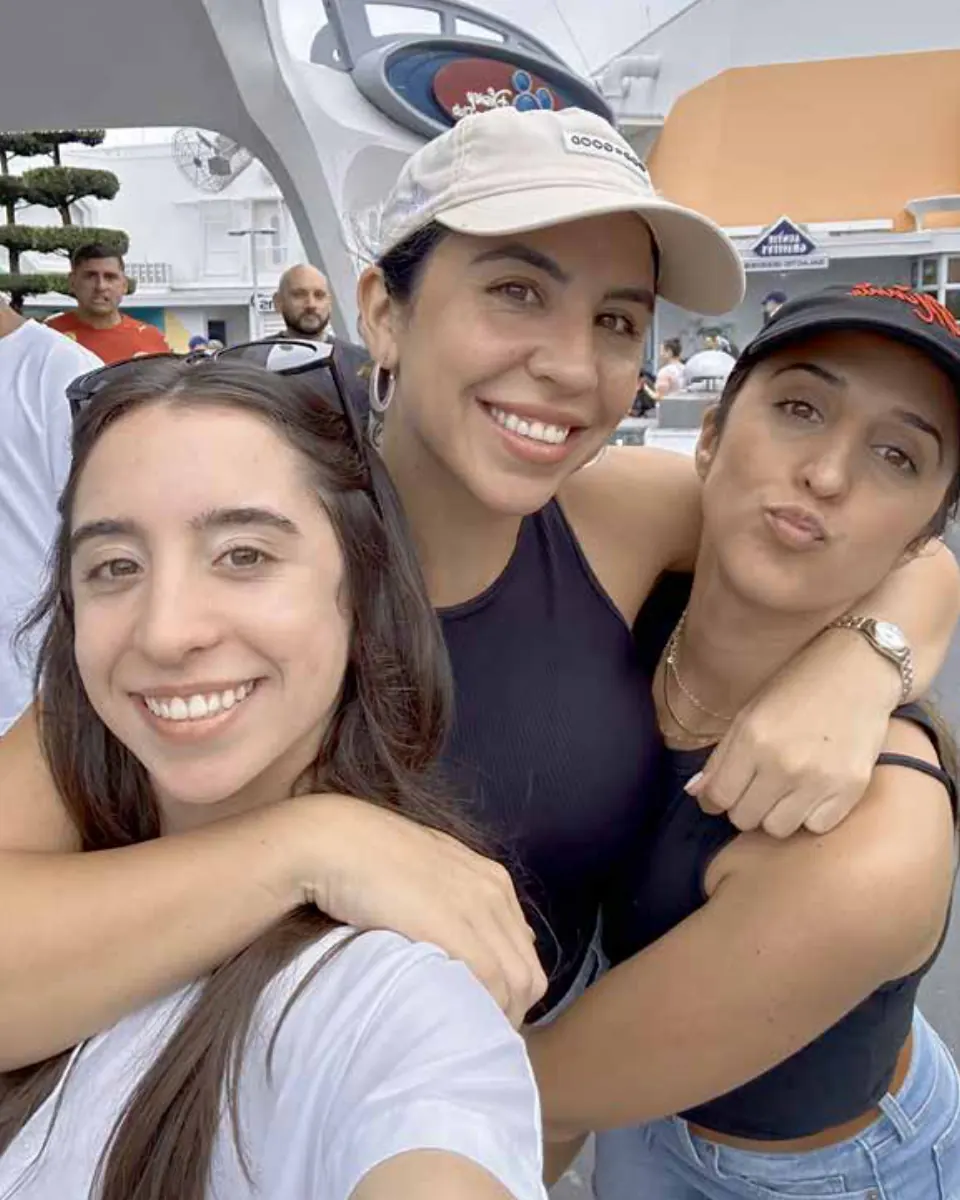 Success Got Her Here. Now She’s Bringing Everyone With Her
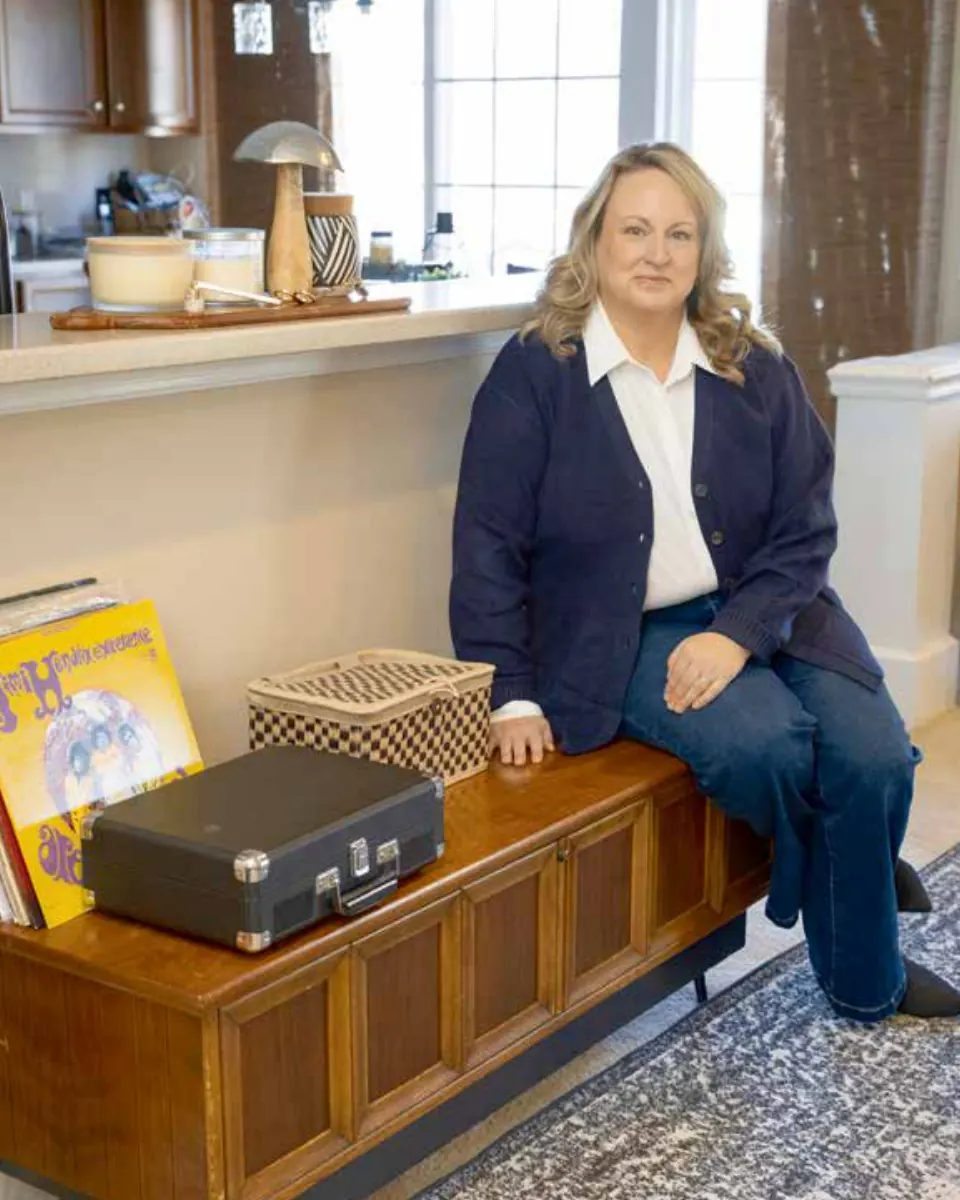 A Creative Life, Waiting Its Turn