Élevé · Issue 3 · Coming Back
Seven Hours That Changed Everything
one that asked her to face fear, release control, and finally access the part of herself she’d been holding back.
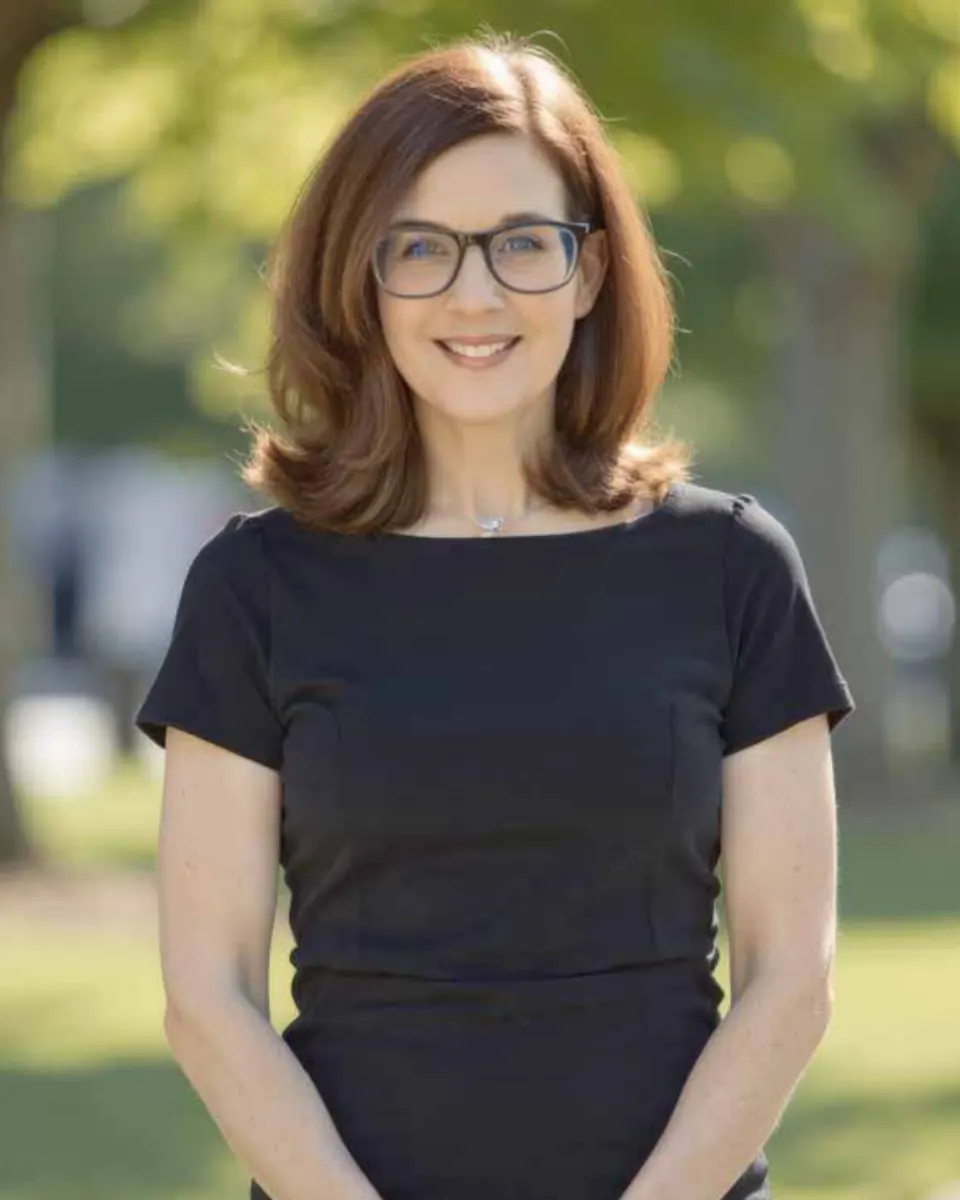
Kristy Short had done the work. Years of therapy, self-reflection, and managing anxiety had helped her build a life that looked strong on the outside. But something still felt stuck. “I felt like there was this tight little ball…this 10% of who I am that I just couldn’t unravel,” she says.
So when she heard someone share their experience with psychedelics, something clicked. After months of research and conversations, she made a decision that felt both terrifying and necessary. “I think this is the next chapter in my mental health journey,” she says. What followed was a seven-hour experience that would challenge her, scare her, and ultimately change how she sees her life.
Kristy is not someone who takes decisions like this lightly. She describes herself as someone who has “been an active participant in the healing process” for as long as she can remember. Anxiety, she explains, is something you learn to manage, but it never fully disappears. Over time, it evolves. New triggers emerge. Old patterns resurface in different ways. And even with progress, there can still be something unresolved beneath it all.
That unresolved piece became impossible to ignore after what she calls a “spiral” at the end of 2024. When she regained her footing, she felt strong again, but also aware that something deeper remained untouched. It wasn’t obvious. It didn’t disrupt her ability to function. But it lingered. “There was like this tight little ball right here in my chest,” she says, describing a sense that part of her was still guarded, still inaccessible.
She had heard it before, too, from others. “You’re so great, but you only give 90% of yourself,” people would tell her. “You keep 10%.” At the time, she dismissed it. “I thought, you’re crazy. Of course I am vulnerable. I’m an open book.” But hearing it more than once made her reconsider. “I’m the common denominator,” she says. “So there’s validity to that.”
The idea of psychedelics didn’t come out of nowhere. It surfaced after she attended a session where someone shared their own mental health journey and experience with a guided psychedelic ceremony. The story stayed with her. It didn’t feel like a shortcut or a trend. It felt like a possibility.
Still, she didn’t rush.
For several months, she researched. She read studies, many focused on trauma and PTSD, particularly in military populations. She spoke directly with people who had gone through similar experiences. She asked questions, gathered perspectives, and made sure she understood both the potential and the risks. “With all of the information and all of the intel and all of the research, I made a very informed decision,” she says.
That decision led her to a certified sanctuary in San Diego.
Even then, fear didn’t disappear.
“My biggest fear was that something would go wrong and I would die,” she says. She had never experimented with drugs, rarely drank, and had always been “very by the book.” The unknown felt real. The stakes felt high. But so did the potential for change.
Preparation became part of the process.
In the days leading up to the experience, she focused entirely on herself, something that did not come naturally. “I’m the kind of person that’s like, who can I help? Who needs something?” she says. Turning that attention inward required intention. She prioritized sleep, nutrition, time outside, and exercise. She practiced gratitude when fear surfaced. She unplugged from work. “That was key,” she says.
For once, everything was about creating the right conditions for her own healing.
The psychedelic experience itself lasted seven hours, though time lost its meaning almost entirely. “When I came to, it was dark outside,” she says. “I remember asking, why is it dark? We’ve only been here for like 20 minutes.”
It had been an entire day.
There were moments of clarity and connection, particularly at the beginning, where she felt completely open, free of guilt, shame, and fear.
She spoke freely, without hesitation, sharing things she normally kept guarded. “There’s nothing that I didn’t tell them,” she says. “I was completely open, no guards up, no fences.”
There were also moments of intensity.
At one point, she found herself in what she describes as a state of complete non-existence. “It became very clear that I did not exist,” she says. “This darkness is what it feels like not to exist.” The experience was deeply unsettling, especially given her past struggles. “It is terrifying,” she says. “But it made me realize…boy, do I want to be here.”
That realization stayed.
In the days following the experience, she felt physically depleted but emotionally open. “I felt wiped,” she says, but also “very open and porous.” Instead of rushing back into normal life, she gave herself space to process. She rested. She journaled. She allowed thoughts and insights to come slowly, in pieces.
What began to emerge wasn’t just reflection, but direction.
“I have woken up every day with a sense of…it’s a new day and man, am I happy to be here,” she says. The underlying sense of dread she had been carrying began to lift. Not entirely, but meaningfully. “I’m not saying I’m completely fixed,” she says, “but the alternative does not appeal to me at all anymore.”
Alongside that shift came something else, something more subtle but equally important.
A willingness to receive. For much of her life, Kristy had defined herself by what she could give. Independence was a point of pride.
Support, even when offered with love, was often declined. “I’m fiercely independent. I’m cool. I don’t need it,” she says.
Now, she sees that differently.
“I deserve it,” she says. “And what have I taken away from the people who love me who’ve wanted to do things for me?” Allowing others in, she realized, isn’t a burden. It’s connection.
That shift is shaping what comes next.
In the “afterglow” of the experience, Kristy began writing again. A second book, tentatively titled The Year of ME (My Evolution), started to take form. It will expand on her earlier work, diving deeper into the stories she has already shared while also documenting this latest chapter. “I’m going to dig deeper,” she says. “And I’ll certainly dedicate a large portion to the psychedelic journey.”
The title itself reflects a broader intention.
“I want to make 2026 the year that I do all the things that I want to do and don’t hold back,” she says.
That includes travel, something that lit her up even during the experience. “Finland is on my bucket list,” she says. “I want to do the whole…ice plunge tour across the entire country.” Even recalling that moment, she remembers the feeling vividly, the happiness, the clarity, the sense of possibility.
It’s a vision that feels different now, not abstract, but accessible.
Still, she’s clear about one thing. This path is not for everyone. “It is not something to be taken lightly,” she says. “You really have to do your due diligence.” The experience required preparation, trust, and a commitment to the work before, during, and after. “It’s not a one and done,” she says. “You still have to do the work afterwards.”
But for her, it was worth it. Not because it solved everything, but because it shifted something fundamental. It helped her face fear in its most extreme form and come out the other side with a renewed sense of presence, possibility, and self.
And perhaps most importantly, it helped her access that missing 10%.
Text adapted from the print edition of Élevé.
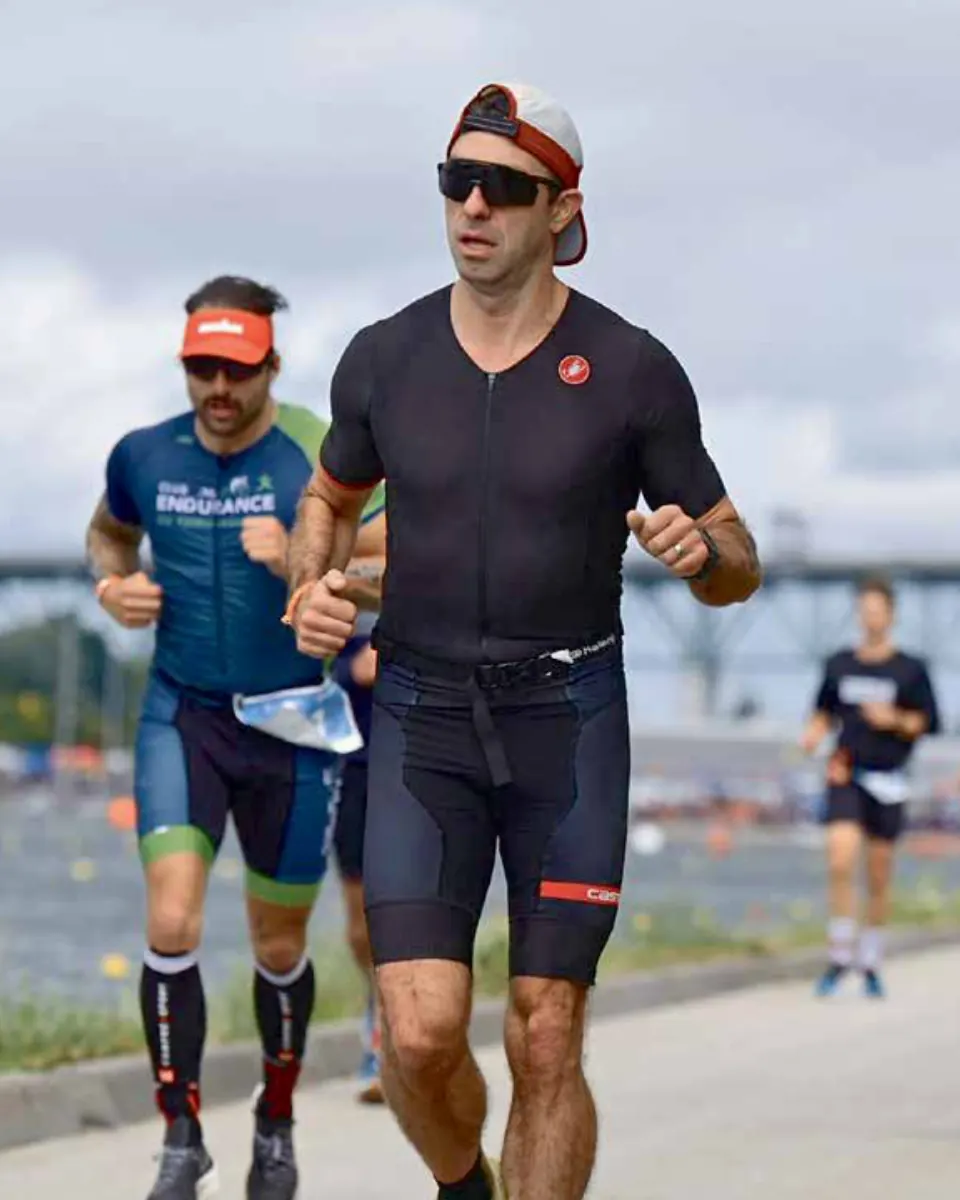 One Goal, a Thousand Small Efforts
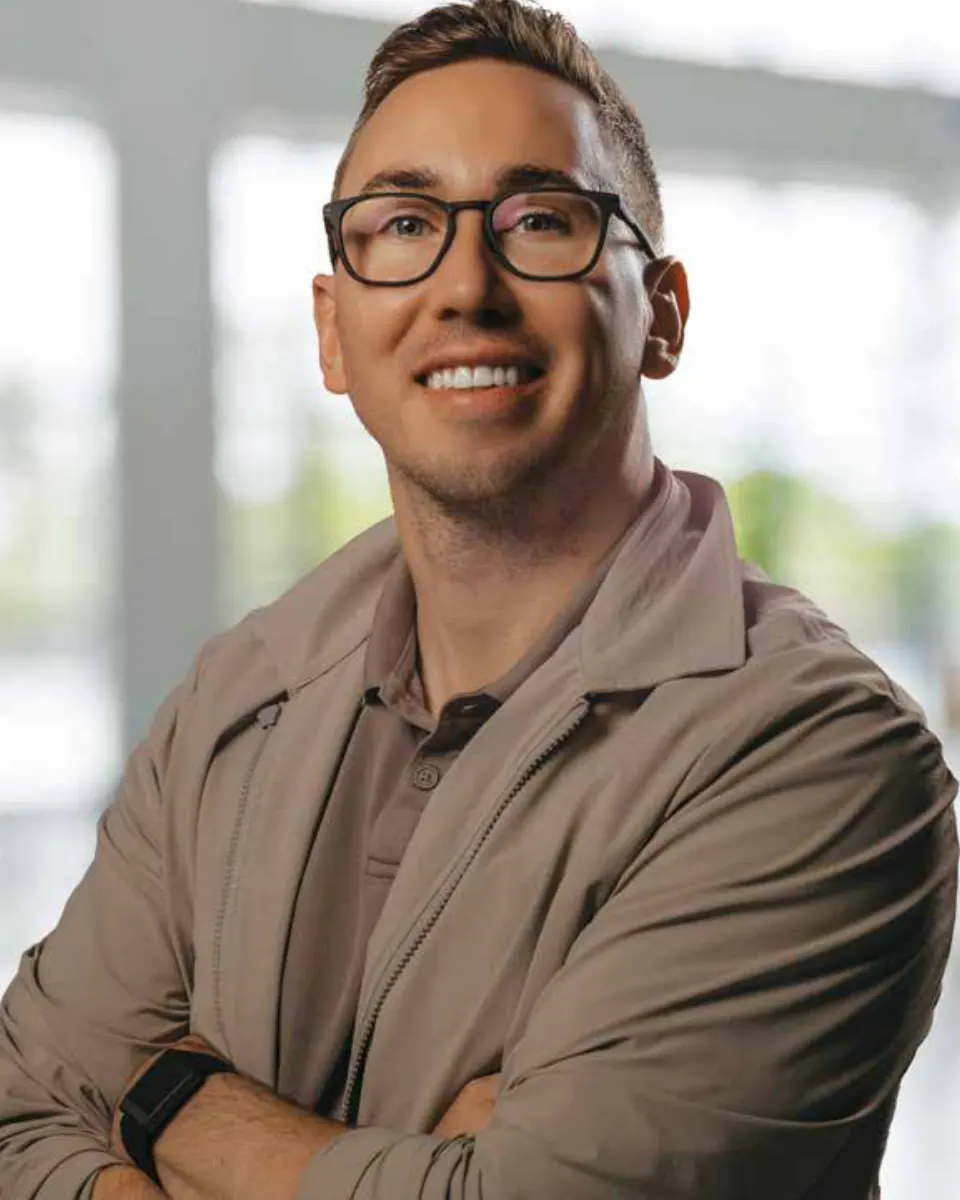 “I Think the Biggest Thing Is Giving Myself Permission”
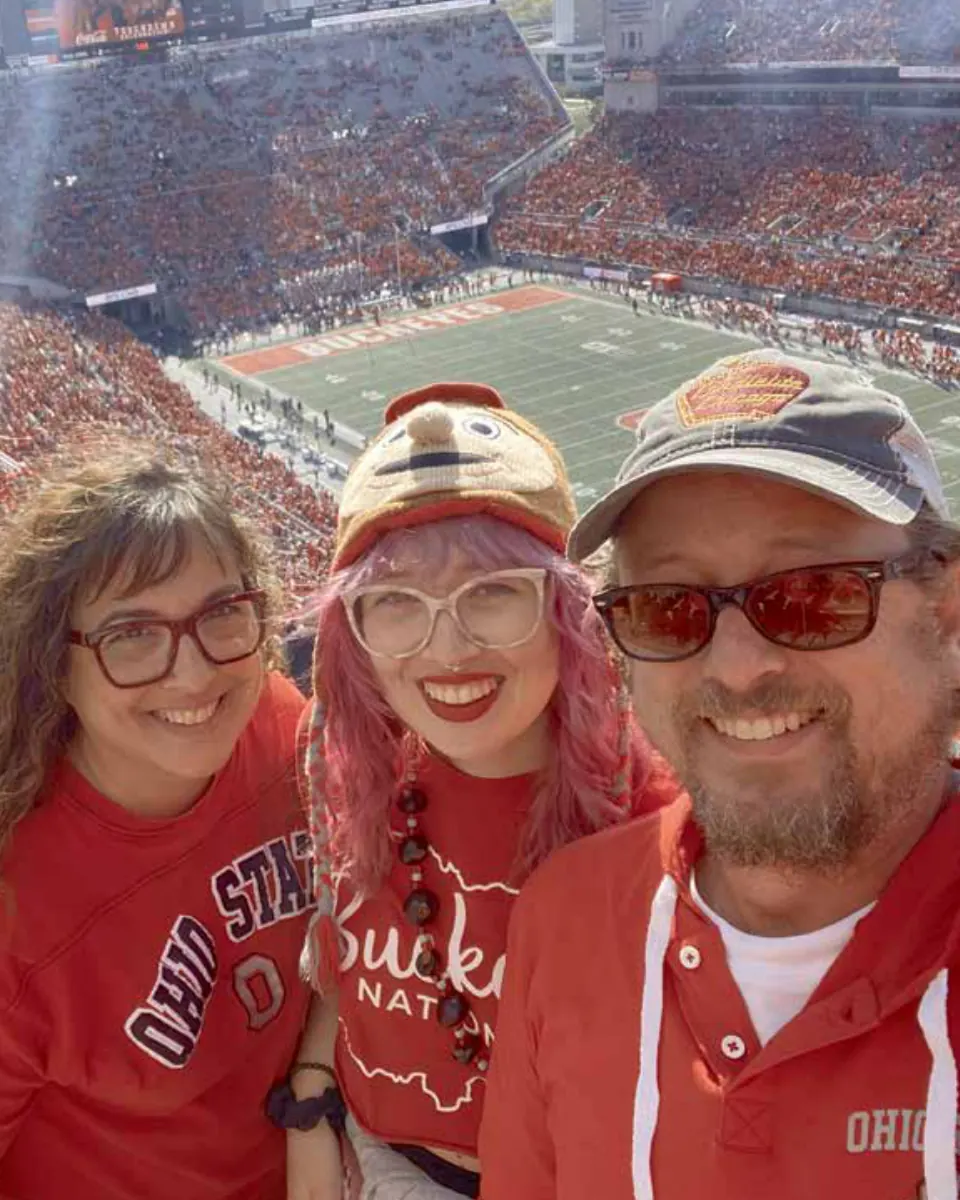 A Lifetime of Saturdays, One Stadium at a Time