Élevé · Issue 3 · Coming Back
“I Think the Biggest Thing Is Giving Myself Permission”
What starts as a dream of cooking school becomes something more meaningful. A chance to disconnect, reset, and choose a different way
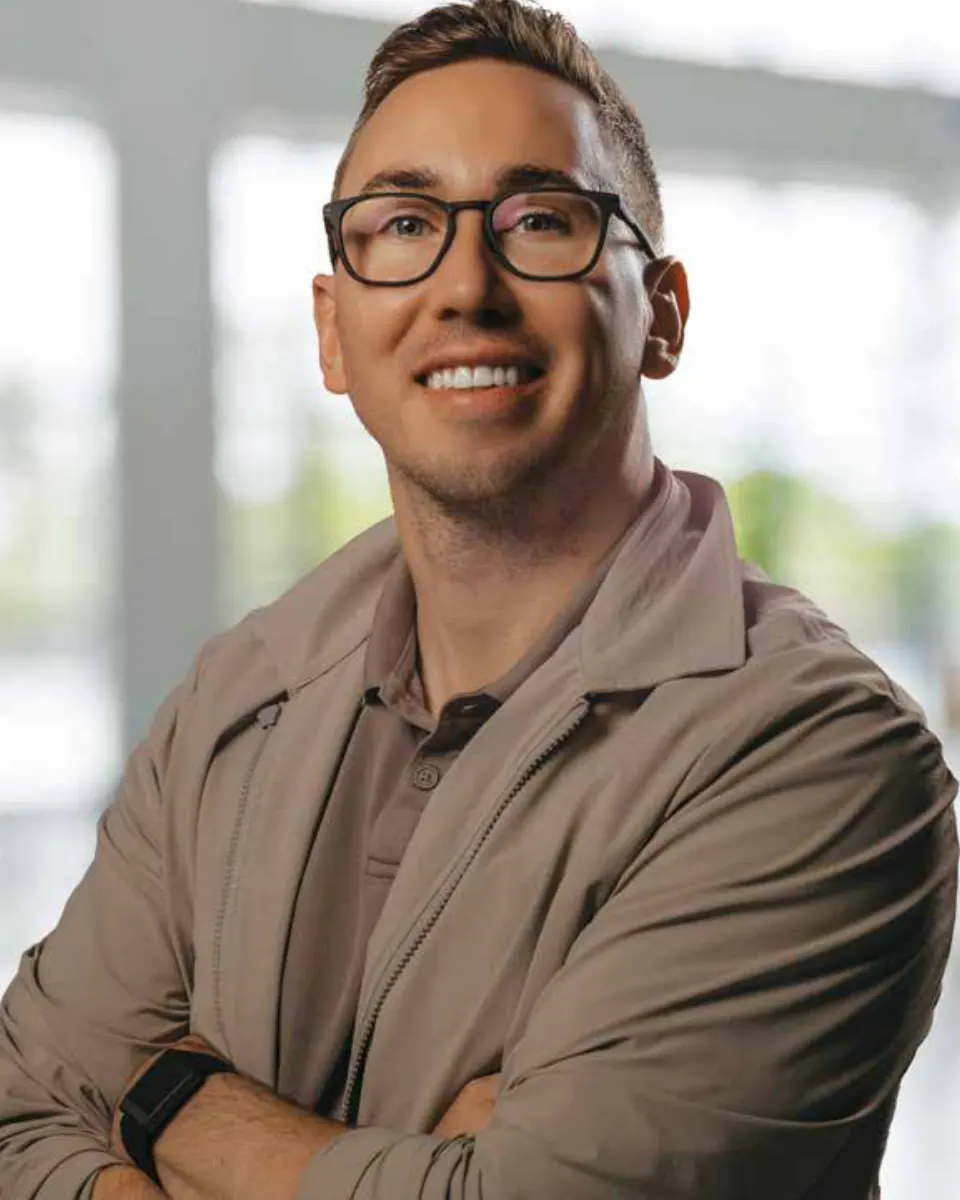
For Tailor Hartman, the dream starts simply: go to cooking school. Maybe somewhere traditional, like Le Cordon Bleu. Maybe somewhere smaller, more personal, learning from someone in a village, and living close to the rhythm of the place. He hasn’t locked in the details, but that’s not really the point. The clarity isn’t in where he would go. It’s in what the experience would give him.
“I think the biggest benefit is giving myself permission to live a non-traditional life,” he says.
That idea, permission, comes up again and again when he talks about it. Not in a dramatic, burn-it-all-down kind of way, but in something quieter and more intentional. A willingness to step outside the structure he’s built and see who he is without it. Even if only for a little while.
Cooking, for him, didn’t start as a passion. It started as a practical decision. In his mid-twenties, he wanted to be healthier, to eat better, to feel better. So he started cooking at home. Simple meals at first. Learning as he went. Like most people do.
But somewhere along the way, it shifted.
“I have some anxiety day to day,” he says. “And cooking is really good for that. I can completely disconnect and fully focus on it and make something I’m really proud of in like 45 minutes.”
That’s the part that stuck. Not just the outcome, but the process. The way it pulls his attention into one place. The way it quiets everything else. The way it turns time into something tangible, something you can taste, share, improve.
Over time, he got better. Not through formal training, but through repetition. Curiosity. Small adjustments.
“I have like seven to ten things that I cook over and over again,” he says. “And every time I do them a little differently, I get better at it.”
He talks about making ramen, sourdough, dishes he’s refined enough that, in his words, they’ve become the best he’s ever had. Not because they’re perfect, but because they’re his. Built over time. Learned through doing.
That’s where the idea of cooking school comes in.
Not as a career move. Not as something to monetize or turn into the next chapter of his business. But as a way to go deeper. To understand the craft at a level he hasn’t yet allowed himself to reach.
“I don’t even know how to cut things the right way,” he says, laughing. “I just kind of wing it.”
There’s something freeing about that, the creativity that comes from not knowing the “right” way. And he’s aware of the tradeoff.
“I’ve had hobbies before where I got more serious about them, and it kind of takes away from the creativity,” he says. “Like when you learn how things are supposed to be done.”
It’s one of the few hesitations he names. The idea that structure might replace instinct. That mastery might come at the cost of experimentation.
But even that isn’t enough to outweigh the pull.
Because the real draw isn’t perfection. It’s immersion.
“If I did it, I’d have to fully disconnect,” he says. “I wouldn’t want clients texting me while I’m trying to cook something. That would ruin it.”
In his mind, this isn’t something you half do. It’s not nights and weekends. It’s not squeezing it in between meetings. It’s stepping away entirely. Six months, maybe more. Somewhere else. A different environment. A different pace.
That part matters just as much as the cooking itself.
“I’ve kind of always lived around home,” he says. “So going somewhere and getting outside my normal environment would probably make me grow in a way I haven’t before.”
There’s a pattern in how he talks about it. Growth, not in the traditional sense of scaling something or building something bigger, but in stretching beyond what feels familiar. Choosing discomfort on purpose. Not because something is broken, but because something else is possible.
It’s the same instinct that shows up in other parts of his life. Running a business. Pushing through things that feel uncertain. Doing things he doesn’t always feel ready for.
“I think getting outside your comfort zone is always rewarding,” he says. “Even though it’s scary.”
The idea of being more nomadic, of experiencing different places, different cultures, different ways of living, ties into that, too. It’s not about escaping. It’s about expanding.
“I just want to experience as many things as possible,” he says. “And this would be one of those things.”
And when he looks ahead, years from now, that’s where the clarity sharpens.
“I think I would regret not doing it,” he says. It’s not framed as urgency. He’s not packing his bags tomorrow. There are practical considerations. His business. Financial flexibility. Making sure he can step away without immediately needing to step back in.
“I’d need to know I could fully disconnect,” he says. “And not have to come back and go right back to work.”
It’s thoughtful. Measured. Something he knows would take planning.
But it’s also something he hasn’t let go of.
Even without a specific school. Even without a timeline. The idea is still there, steady and persistent.
Maybe it’s Le Cordon Bleu. Maybe it’s somewhere smaller, less defined. A village. A kitchen. A person willing to teach him.
The details can change. What doesn’t change is what it represents. The chance to focus on something fully. To learn it the right way. To step outside of the life he’s built and prove to himself that he can.
Not forever. Just long enough to see what happens.
Text adapted from the print edition of Élevé.
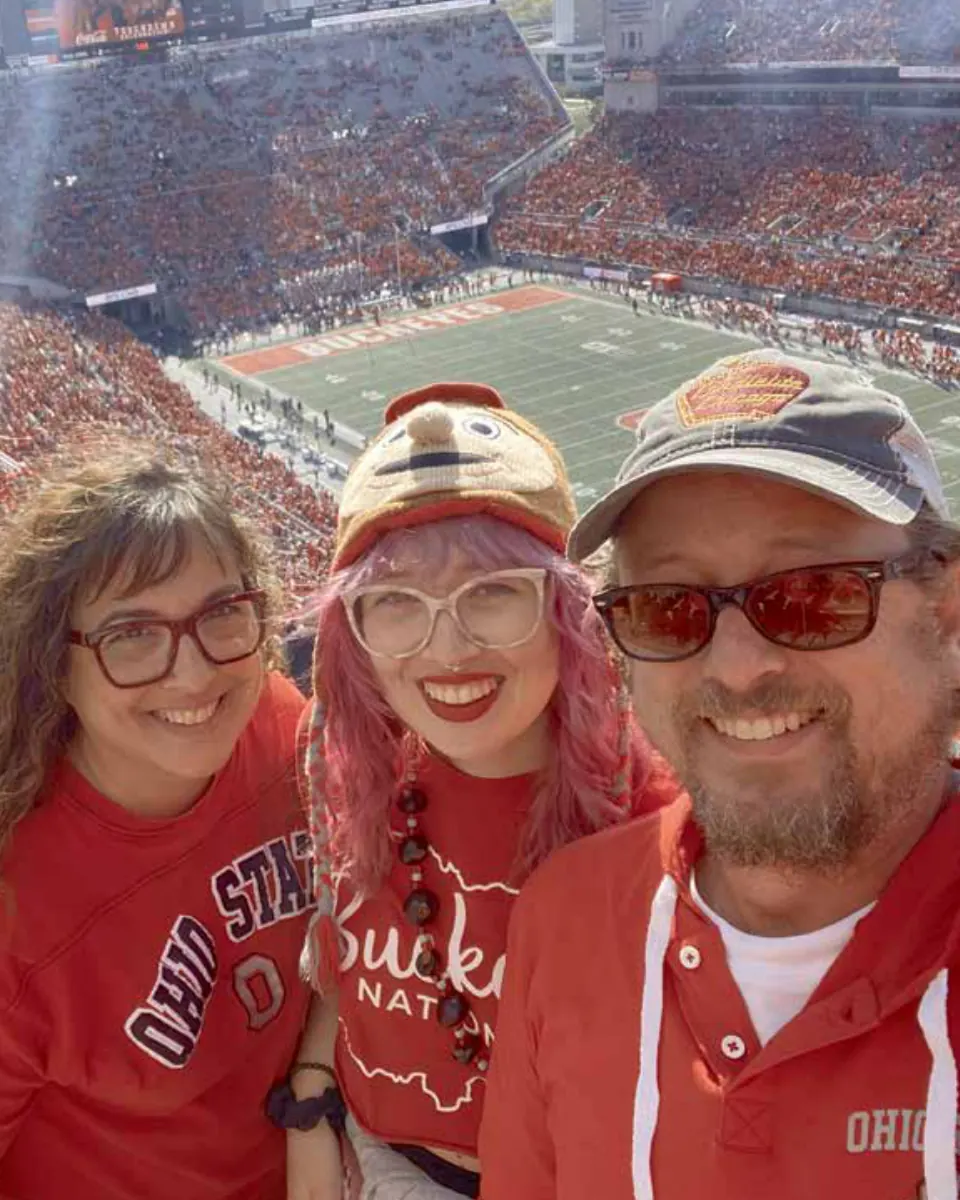 A Lifetime of Saturdays, One Stadium at a Time
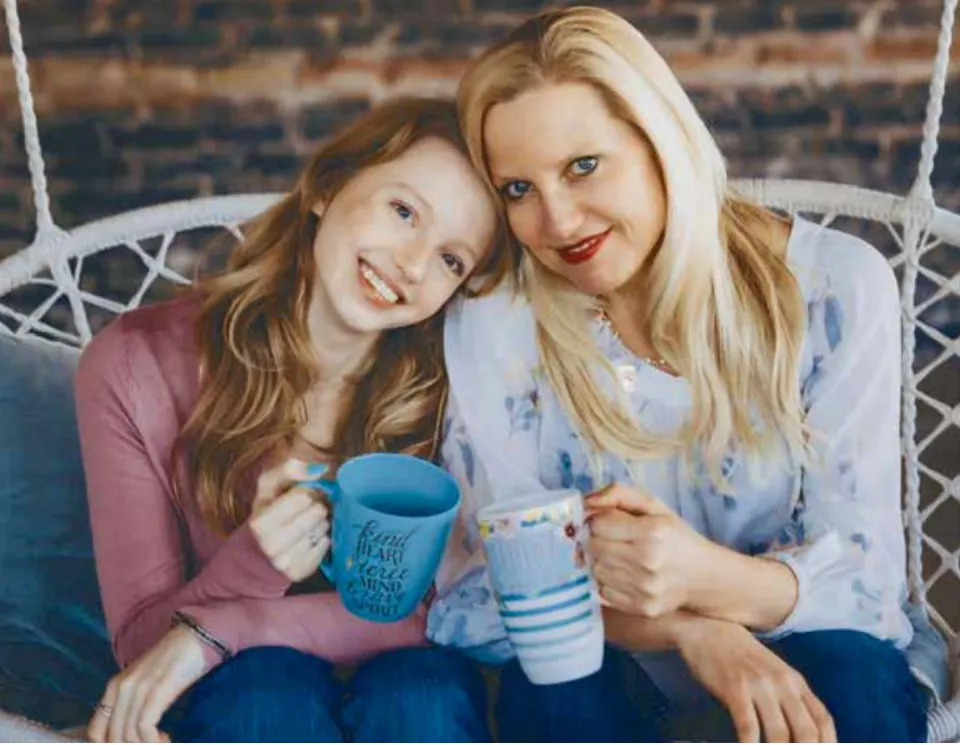 The Kind of Dream You Don’t Check Off
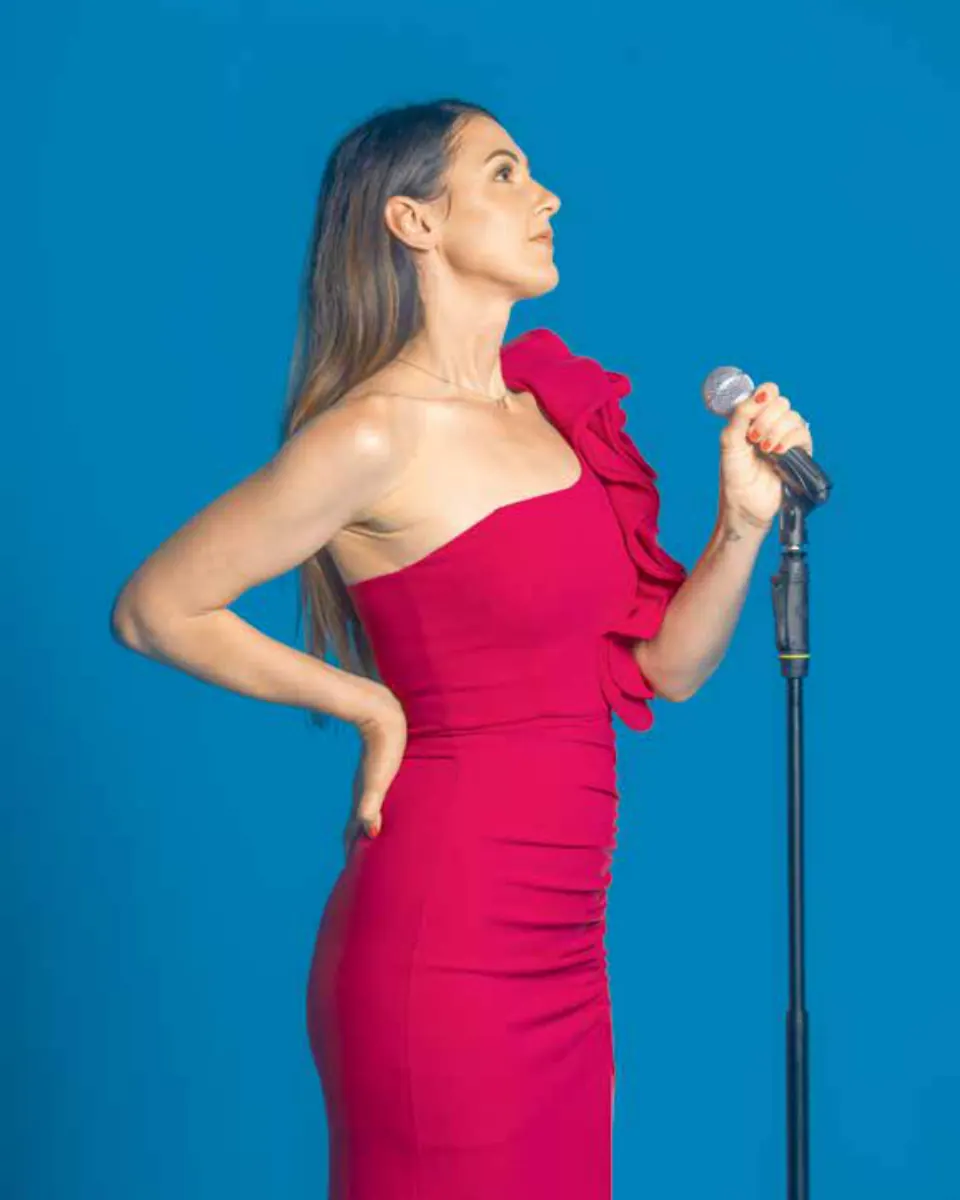 The Lesson She Learned Too Late May Change Everything for the Next Generation