Élevé · Issue 4 · Quietly Extraordinary
The Cost of Doing It All Herself
For years she thought workplace harassment was just part of showing up. This is how one young woman stopped getting used

When Adeline Rodriguez turned eighteen, she wanted one thing: to be an adult, right now, on her own terms. So she got the apartment, got the jobs, and figured out the rest the hard way: credit scores, security deposits, utility accounts, none of it taught in school. "I have to take care of myself," she remembers thinking. "No one else is going to do that for me." What she didn't expect was how often that resolve would be tested by the men and managers around her. There was the coworker who chased her through the store. The boss who let it slide. For years, Adeline thought that was just how work went. "I got used to it," she says. "I thought it was normal." It wasn't. And learning that changed everything.
The independence itself was never in question. She had watched it modeled her whole life.
Her mother left college to be with Adeline's father, then went back years later, earning a bachelor's and then a master's while raising kids and teaching full-time. Eventually she became a principal. For a stretch, she was even Adeline's own teacher. "I just watched her my whole life," Adeline says. "I kinda wanted to strive like her." So when high school ended, Adeline moved fast. She moved out. She got her own place. And she found out exactly what independence costs when you are eighteen and paying for all of it alone.
It cost, among other things, dinner.
She ate the same meal almost every week, rationing what little there was. "I had to decide if I wanted to go out with friends, buy stuff that I needed, shampoo or body wash, or buy a nice meal I wanted." She figured it out. She always figured it out. That was the whole point.
What she could not figure out, because it was never hers to fix, was the thing that kept happening at work.
It started, in one job, with a seasonal colleague she barely knew. First came the latenight messages, flirtatious and unwanted, sent while he knew she was in a relationship. Then the intoxicated calls she declined. She reported it. Her manager's solution was to keep them on different shifts. He began showing up early, on days he wasn't working, just to be near her. She could tolerate the phone, she says, because at least there was evidence. In person was different.
In person was the day he chased her through the store.
"I was terrified to go to work," she remembers. "I always overthink and think the worst things, and that I did not think was gonna happen." When it did, she couldn't believe it was real. "I thought I was in a dream. I really did not think it was real until after crying and experiencing it." She ran to the back. She cried. She asked to leave, and they let her go, and that was all they did.
She never felt safe there again, so she left. But she carried something out of that store with her, a line drawn in her own mind. "That's never happening again. Ever. I will never let someone do that to me."
The next job brought a different kind of harassment, quieter and slower, but no less deliberate. At a job where she trained the manager who would later turn on her, the problem became her age. She was nineteen. The woman was nearly thirty. Adeline had trained her, and everyone knew it, and that seemed to be exactly the problem.
She recognized the pattern only in hindsight: not a firing, not honest feedback, but a slow campaign to make her want to leave. "If someone's not doing a good job, you can fire them, you can write them up and guide them," she says. "But pushing someone out like that, it's personal. It's not about what they do. It's about who they are."
She refused to sign the paper they put in front of her. She had the awards. She had the record. When she walked out, people were shocked to see her go. "My actions showed for it that I knew what I was doing."
Then there was the last job, where a group meeting collapsed into a coworker shouting down everyone in the room while the managers watching failed to stop it. Adeline was the youngest person there, and she was the one who spoke. This isn't working, she told them. Take everyone one on one. She left two weeks later.
Somewhere in all of this, she started keeping receipts.
It's the one lesson she went back to add after the fact, and maybe the most telling of all: she learned to document everything. In a stretch of jobs where being believed was never guaranteed, evidence became its own form of protection. It was the thing she could control when so much else was out of her hands.
Because for a long time, she believed almost none of it was in her control. She was naive, she says now, and she means it kindly toward her younger self. "I truly thought every person is good, no ill intentions." Job after job taught her otherwise. "Something always bad happened. Always." What finally shifted was not the workplaces. It was her. Somewhere in the retelling, hearing other people react with alarm to stories she'd long since filed under ordinary, she understood how much she had been absorbing without a word.
Ask her now how she would have handled it differently, and she goes straight back to the store.
"I would've been stronger and stood up for myself and didn't let anyone walk all over me or tell me, it's okay, just show up to your shift, you'll be fine." She pauses on the trust of it, the way she'd been asked to hand her safety
“One of the things I admire most about Adeline Rodriguez is her willingness to figure things out. If she doesn’t know how to do something, she doesn’t shy away from it. She takes the initiative to learn, ask questions, and find a solution, often going above and beyond what was originally asked of her. What says the most about her is the pride she takes in helping our firm succeed and making life easier for everyone around her. Adeline may have the title of admin, but she has become someone I truly trust and rely on every single day.” - Katie Helle, Principal Advisor, Scaled Accounting Solutions. to someone else's assurance. "I'm never gonna trust anyone to say I'm gonna be okay when I feel threatened or unsafe ever again."
These days she credits her faith for how things finally landed. A Christian, she believes she was being steered toward something the whole time. When the right job came, the one she now has, it felt less like luck than like alignment. "It just felt perfect," she says. She wanted security. She wanted the kind of job you keep. For the first time, she has a life that holds together on both sides of the workday. "I have time to actually live my life and be happy."
Independence, she'll tell you, means something different to her now. Married, she no longer measures it in doing it alone. "I'm no longer independent, I also depend on other people," she says. "But my independence is truly my actions, what I do, what I say. I can only control what I do."
If she could reach back to the eighteen-yearold who wanted to carry all of it by herself, the message would be gentler than the life she actually lived. "Take a breath, enjoy life, one thing at a time."
And to the woman reading this in a job that feels like the ones she survived, still telling herself it's normal, she has the thing she wishes someone had told her sooner.
"You're not alone, even though you are independent and you're your own self. You're not alone." Then, the part she had to learn the hardest way of all: "Stand up and say something."
Text adapted from the print edition of Élevé.
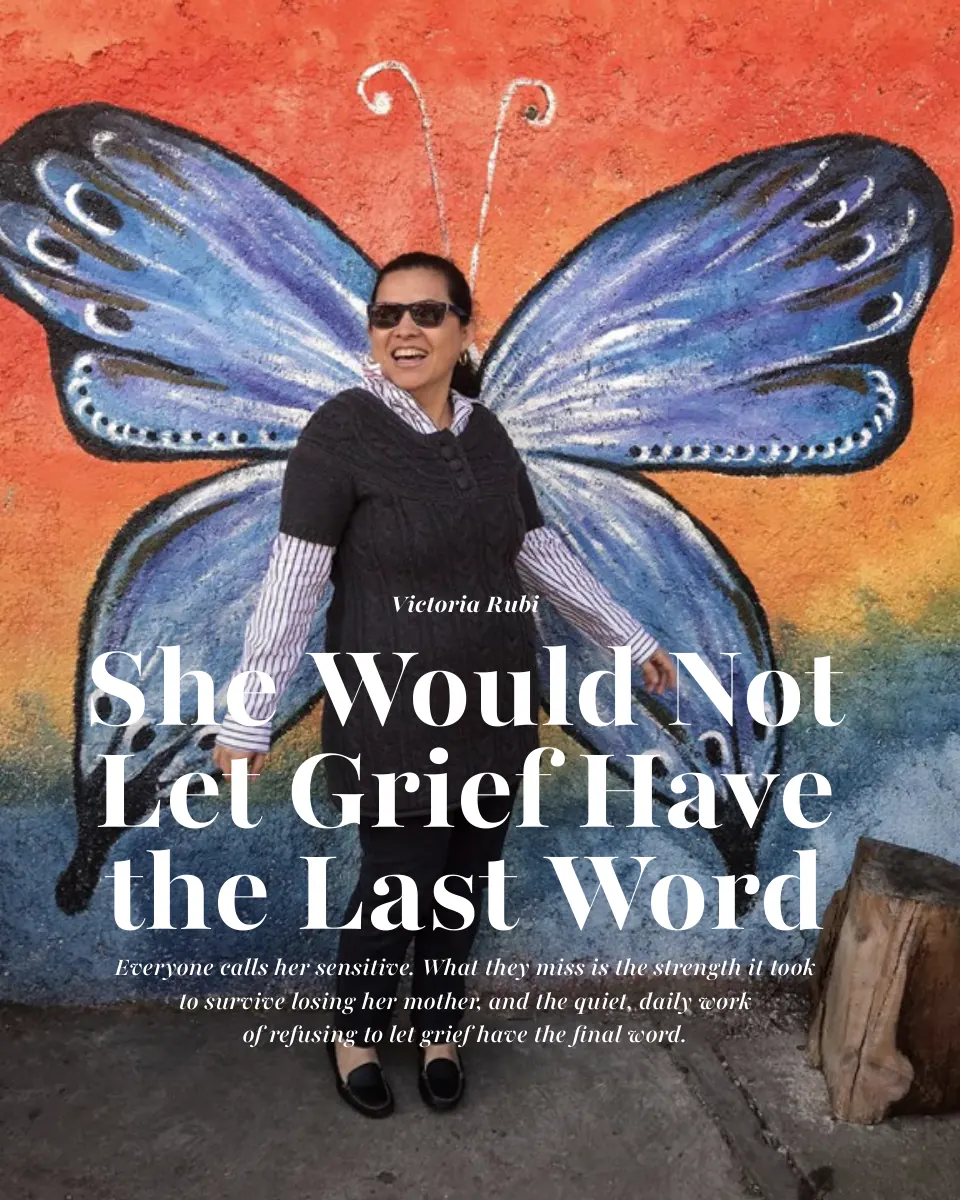 She Would Not Let Grief Have the Last Word
 We All Contain Multitudes
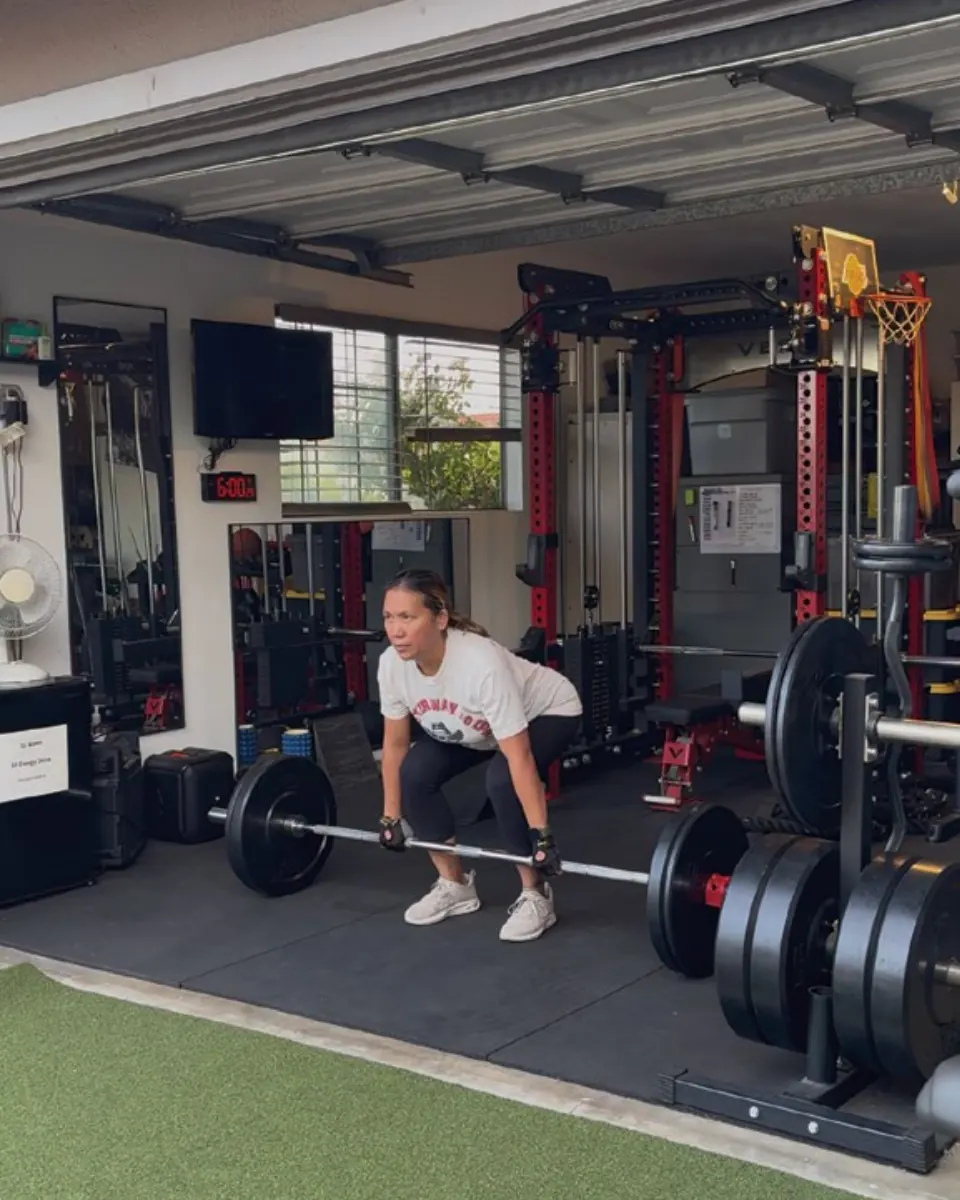 “Maybe This One Is for Me”