Élevé · Issue 4 · Quietly Extraordinary
She Would Not Let Grief Have the Last Word
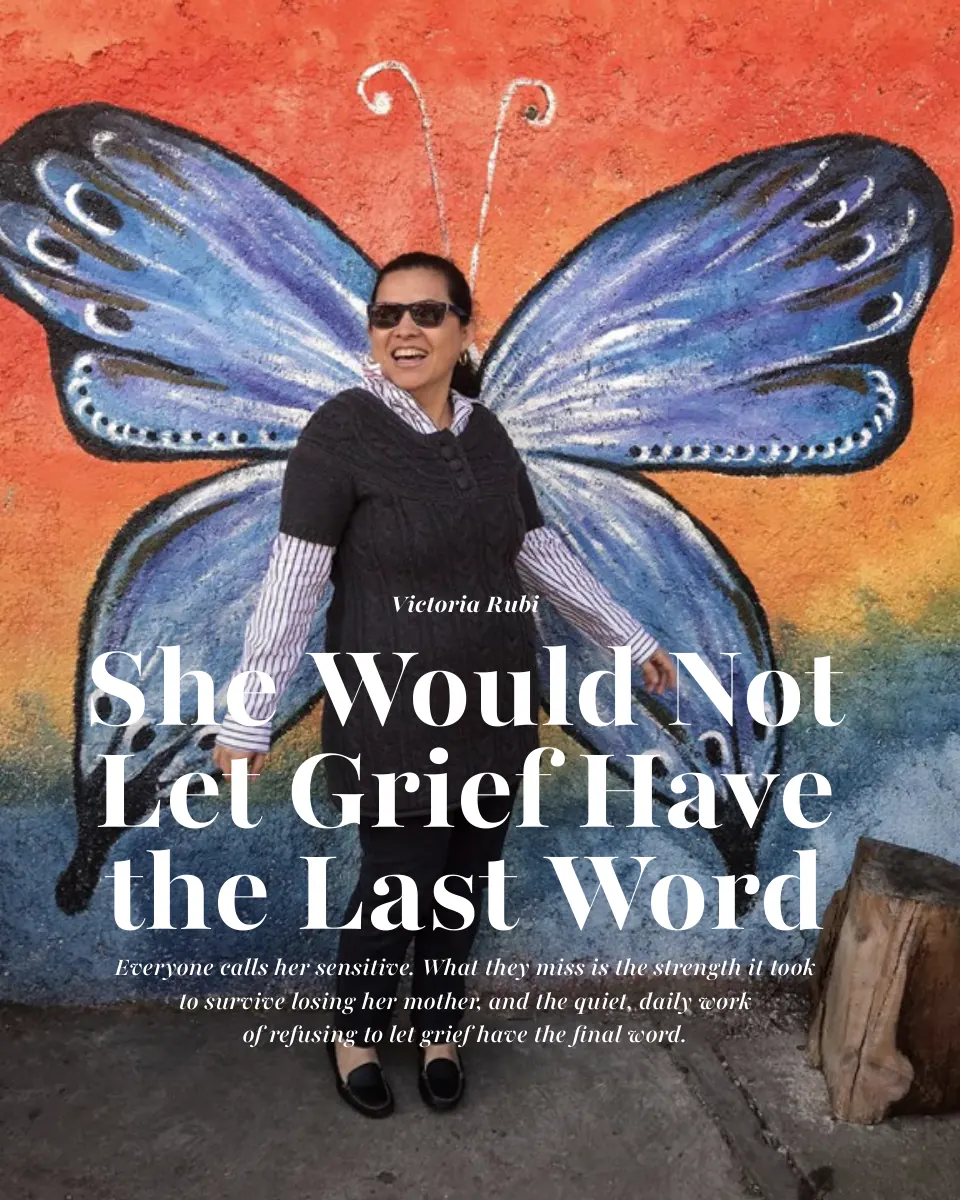
People meet Victoria and decide quickly what she is. Soft. Sensitive. A little breakable. She does not entirely argue the point. But there is a strength they never see, one that surprised even her. It arrived in the worst season of her life, when her mother died at fifty-two with no warning, no illness, no time to brace for it. Seven years later, Victoria can name the thing grief tried to make her: anxious, full of self-doubt, always scanning the room for the nearest exit. She refused. “At the end of the day,” she says, “you don’t have a choice but to be strong.” What looks like softness, it turns out, is the shape strength takes when it has been broken and chosen again.
Ask her when that strength first surprised her, and she does not reach for a triumph. She reaches for the hardest stretch of her life.
“I never imagined I could go through something so painful and still keep choosing to move forward every day.”
That is the thing the people around her miss. They see the tenderness and stop there. They do not see what it costs to keep standing.
To understand the strength, you have to understand where it came from. And it came from her mother.
She was a stay-at-home mom, wholly devoted to Victoria and her brother, and the loveliest person Victoria can imagine. Strong, too, but not in a way that hardened her. “She was incredibly strong,” Victoria says, “but she carried that strength with so much gentleness.” That combination is the exact thing Victoria is still working to become. When she looks for her own resilience now, that is where she finds its source.
There is one memory that holds the whole of who her mother was. Victoria was about fifteen when her grandfather, her mother’s own father, died. It was the first time she understood what it meant to lose someone, and she was heartbroken. What she remembers most, though, is not her own grief. It is her mother’s hands on it.
“Even though it was her own father, and she was heartbroken as well, she was there for me. She took care of me.”
Her mother was burying her own father and comforting her daughter in the same breath. Always putting others first. That, Victoria says, was her mother entirely.
The devotion showed up in smaller ways too, in the ordinary machinery of raising a child. Victoria walked into kindergarten already able to read, ahead of her classmates, because her mother had taught her at home. And when English lessons came, her mother, who did not speak English, taught herself first. She sat with dictionaries and encyclopedias so she could turn around and teach her daughter. Victoria has not forgotten a minute of it.
Then, seven years ago this month, her mother was simply gone.
There had been no sickness, no slow decline, nothing to prepare for. “It happened out of nowhere,” Victoria says. “It was a surprise for
Victoria Rubi
everyone.” What has stayed with her most is how fast a life can change shape. One day everything is ordinary, and the next, she says, the wiring in your brain rearranges itself. Grief opened a dark space in her mind where everything felt uncertain, where she found herself looking for emergency exits everywhere, braced for the next catastrophe.
She knows that answer is not a comfortable one. She gave it anyway, on purpose.
“I wish I had an inspirational answer. But I want to be honest, because in case someone reading this is going through the same, they know they’re not alone in what they’re feeling.”
That honesty is the whole point for her. Grief, she has learned, does not stay a season. It settles in and becomes part of who you are, and the anxiety and self-doubt can settle in right alongside it. There was no single stretch when it tried to pull her under. It was quieter and more constant than that. So her answer had to be constant too.
She decided, consciously, that those feelings would not run her life. That decision meant being willing to ask for help. And it meant choosing, day by day, to work through them rather than around them.
The turning point was not a lightning strike. It was a sentence she read once, of all places, on TikTok: the best way to honor your mother is to take care of her daughter. It lodged in her and never left.
“If my mom were still here, I know she would do everything in her power to see me happy and living my best life. So that’s why I keep fighting. I try to do that for her.”
Doing something with the grief, rather than being flattened by it, has a concrete shape now. It means picking back up the dreams she had set down when everything felt hopeless. It means letting herself dream big again, because she is certain that is what her mother would want. On the days that certainty runs thin, she borrows it. She imagines what her mother would say, and she keeps moving.
She is careful not to dress this up as something it isn’t.
“I don’t want this to sound like toxic or fake positivity. I still have hard days. But having them doesn’t mean I’ve given up. I get through them, and I keep showing up every day.”
Even surrounded by people who love her, the grief stays lonely. Her brother lost the same mother, and still, Victoria says, their grief is not the same grief, because no two people had the same relationship with her. You can have someone beside you in it. No one will ever feel exactly what you feel. That, to her, is what makes loss so isolating, and it is exactly why she is willing to speak about hers out loud.
Seven years on, her mother is not so much gone as differently present. Victoria finds her everywhere: in every food she loved, in the jokes she used to tell, in a sky full of beautiful color, in the empathy Victoria feels toward other people. “She’s in so many little pieces of my everyday life that sometimes it feels like she never left.”
She asks her mother for signs. She has decided to believe every one of them.
People have told her the signs are coincidence, that she sees what she wants to see. Victoria, who admits she usually cares a great deal what people think, has made this the one place she does not. “When it comes to this, I’ve decided to believe every sign. I truly believe my mom would do anything in her power to show me she’s here.” Her advice to anyone else grieving is the same. If a sign feels like it is for you, let it be. You do not owe anyone an explanation.
This is what resilience means to her now, and it is not what it meant before. Not being strong all the time. Something harder and more forgiving than that.
“It’s allowing yourself to break, feel everything, and still find a way to keep going.”
“Victoria consistently looks beyond her own role and asks how we can make the process better for the client and the team. She researches, suggests thoughtful improvements, considers how changes affect other departments, and pays close attention to the details. What stands out most is that she brings that level of care and innovation consistently, and she does it with a smile.” - Tiffany Gonzalez, CEO &
Founder, Accounting to Scale
Looking ahead, she knows exactly who she wants to become. Not someone who got past this, but someone shaped by it: the best version of herself, carrying her mother’s love, her strength, her empathy, and every lesson she taught. And if her mother could see the woman she has become through all of it, Victoria believes she knows what she would hear.
“She’d say she’s proud of me. She’d tell me to keep being strong, and most of all, to keep my faith. She was a woman of deep faith. I know she’d want me to stay hopeful and believe that one day we’ll be together again.”
Text adapted from the print edition of Élevé.
 We All Contain Multitudes
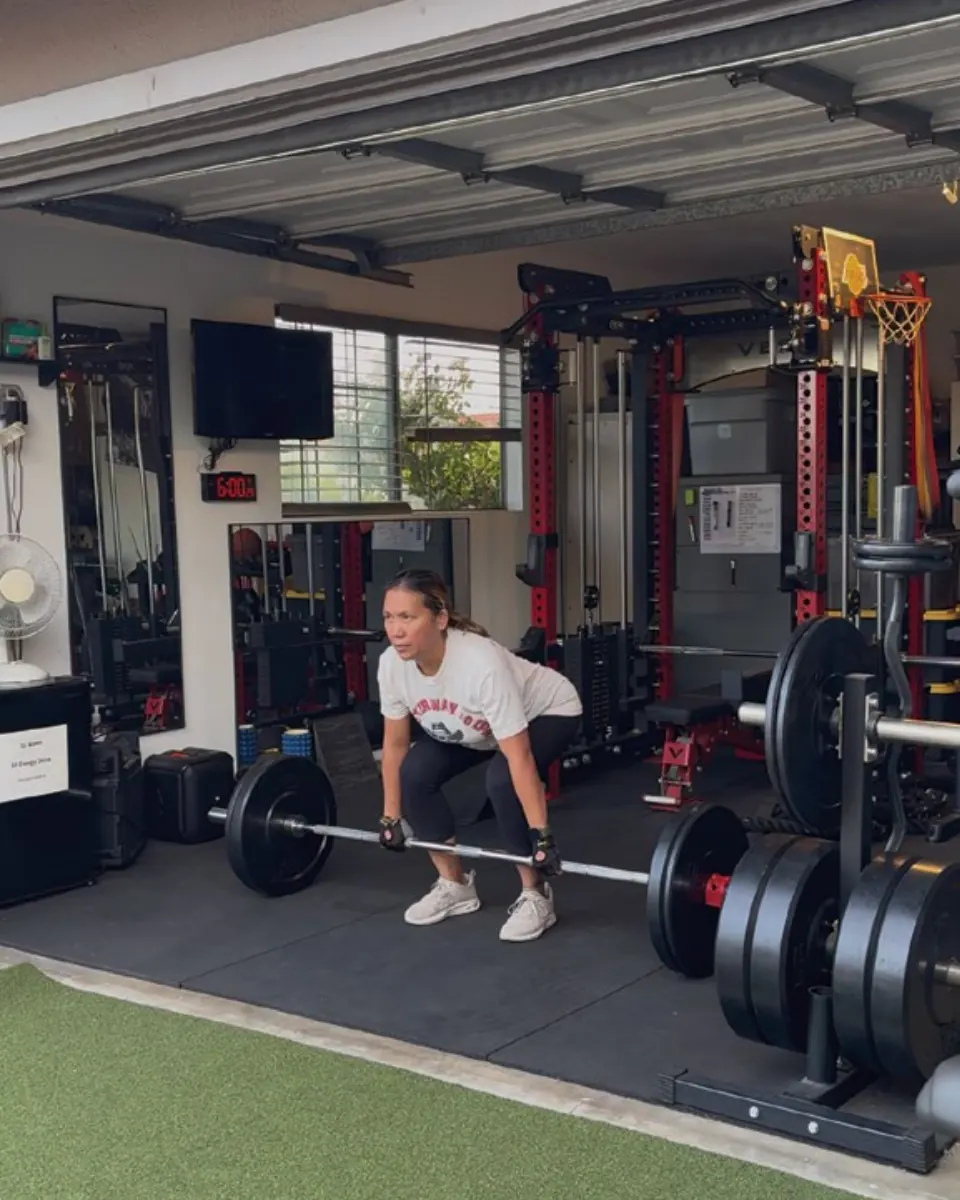 “Maybe This One Is for Me”
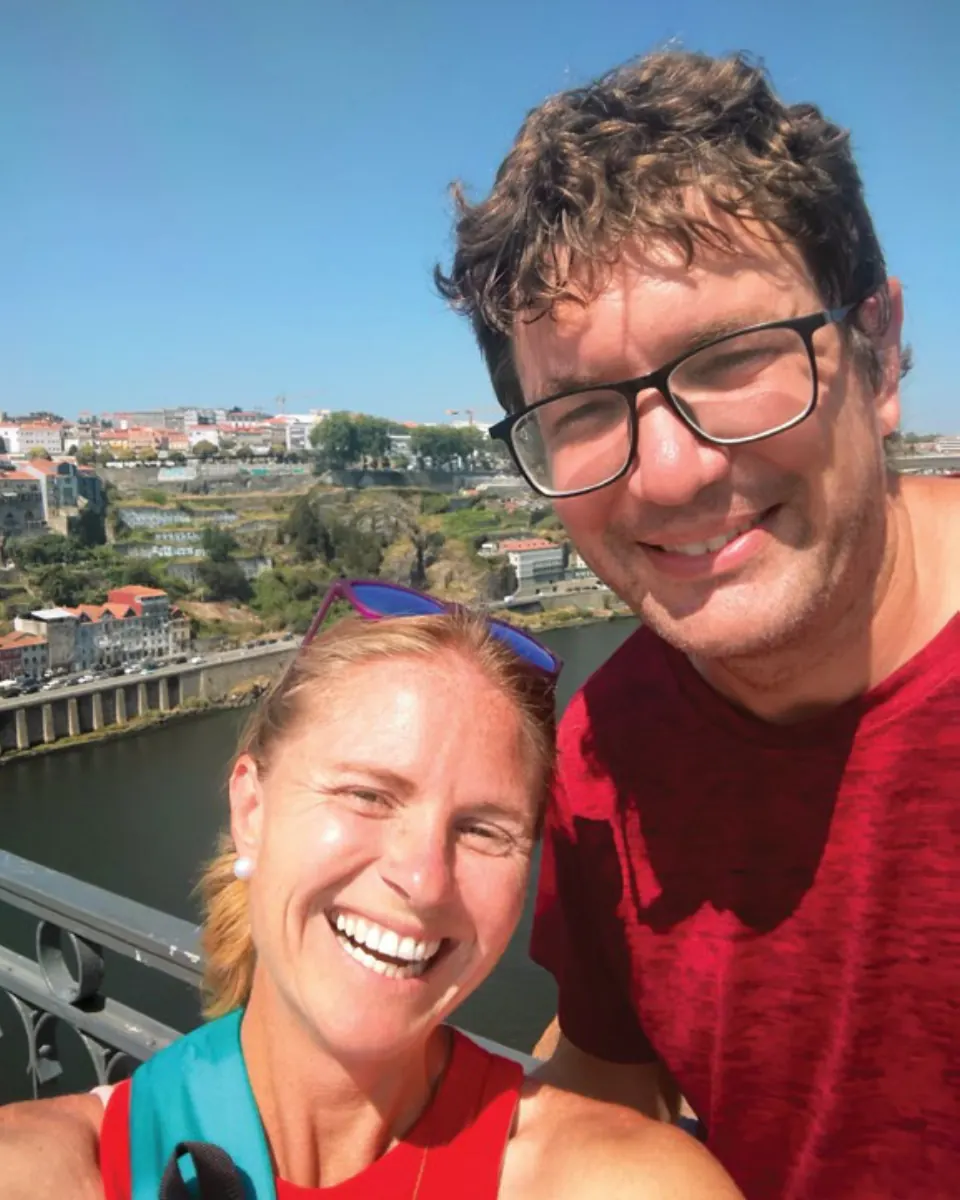 Why Not Us