Élevé · Issue 4 · Quietly Extraordinary
On Point
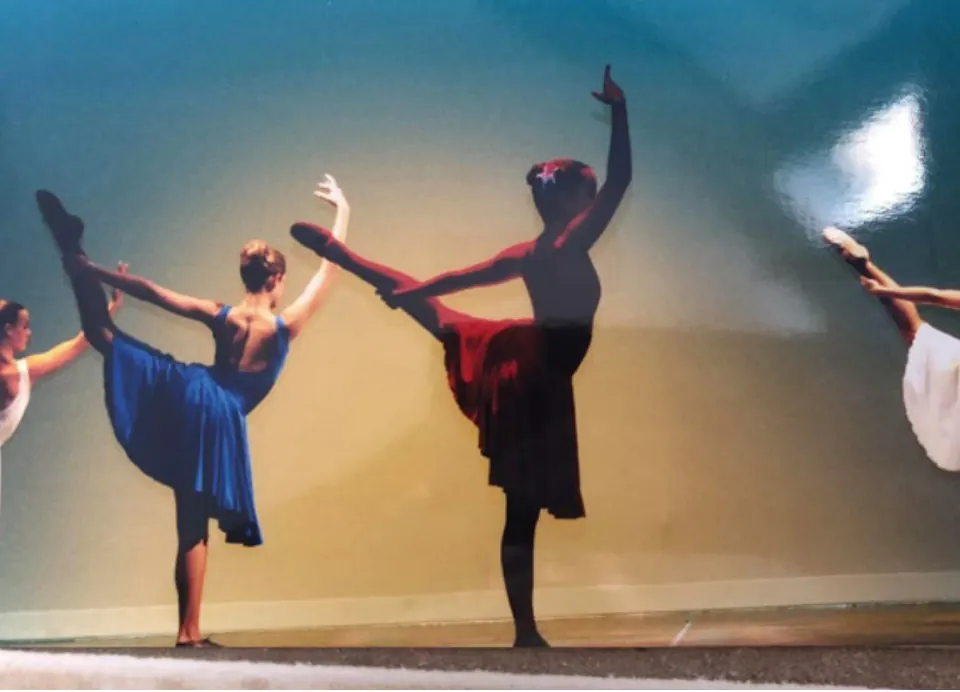
Monica Perez was three years old the first time the floor answered back. Tap shoes, her sister beside her, a small girl learning she could make noise and be adored in the same breath. Fifteen years of ballet followed: point work, a custom white tutu heavy with rhinestones, a solo in New York, and a workshop with Mia Michaels. What almost no one knows is how it ended.
Not with a final bow, but with a door held open days before a competition, a spot left unfilled, a teenager choosing her sister over the stage she loved. "I left them high and dry," Monica says. She has regretted the leaving, and defended the reason, every day since.
The dancing started because sitting still was not an option. Her parents, Cuban, did not raise idle daughters. They were not chasing perfection or trophies; they wanted their girls moving, healthy, alive in their bodies. So the two sisters, Irish twins born less than a year apart and opposite in almost every way, were put in dance young and kept there. Monica was three. Her sister was four. They stayed in the same age bracket for years, which meant they were never separated, never pulled onto different teams.
"At the end of the day, you always have your best friend with you," Monica says. She was then. She still is.
Dance, in those early years, was noise and joy and the two of them side by side. It stayed that way until the studio split the fun classes from the competitive ones, the way youth sports separate rec ball from travel. Around ten, Monica started competing. By thirteen, she was in the serious bracket, the one with measured milestones and a single objective. "We're gonna go compete, and we have to be the best, and we have to look the best, and we have to dance the best," she says. Less chatter. Less ease. Still, she loved it, because she was dancing.
New York was the peak of it. She danced a workshop there with Mia Michaels, who she remembers as loud and fearless and wildly creative, a woman who could make a story exist in a body without a single word. "No BS, but we're here to have fun," Monica says. "Let's make it epic."
Her first solo competition was in that city, and it is the memory she reaches for first. A custom white tutu, rhinestoned and beautiful. Her father backstage beside her, because at the time she was closer to him than to her mother. He wore a pin, the kind given to the father of a ballerina, a small badge for a man who had daughters instead of sons to cheer at ballgames. Monica was third in line and certain she could not do it. The stage was too big. There were too many people.
She started to walk off.
Her dad pretended to trip her. "Get it together," he told her. "I am not wearing this pin for no reason."
So she went on. And then, mid-solo, in her head the way dancers get, she stepped on the back of her toe shoe and it slid off her heel. For one clean second she thought about running.
She looked to the wings, where her father stood. He held her there with a look. Stay. You do it. So she stayed, and she improvised the rest of it, one foot on point, the other quietly not, because going up on a loose heel would have sent her to the floor. She finished. Then she froze in her final pose and would not leave, until a teacher gently told her she was welcome to exit the stage.
She was sure she had placed nowhere. Even her sister said it was terrible. Then they called second place, and it was her name.
"There's no way. That's the wrong person," she thought, and refused to go up. Then she went up. "Oh my god, this trophy is mine."
To this day, she will dance on any stage without fear. Tell her it is a competition, and she is right back in her head.
That is the version of the story that is easy to tell. There is another one running underneath it. Somewhere in the shift from fun to competitive, worth stopped being measured in talent and started being measured in bodies. The ideal was rigid: stick thin, overextended feet, hyperextended legs. Monica had the arched feet and the extended lines. She also had a different shape. "I am Latin," she says. Her sister had a different shape too.
The pressure was not abstract. A teacher would walk the barre during warm-ups, wallto-wall mirrors on every side, and poke at the dancers with a safety pin where their bodies were judged too big. It stung when it was aimed at Monica. It cut deeper when it was aimed at her sister.
"I developed body dysmorphia," she says. "I didn't want to eat." Her Cuban parents put rice and beans in front of her and made sure she did. The habit of the mind was harder to feed. "Through high school and after, I was like, I can't take a sip of water because my belly's gonna bloat. You're in your head about it, and that was hard to get out of." She got out of it. Others never did. One girl she danced with is still very sick today, still convinced that thinness is the point, once found stretching into splits from a hospital bed because she could not make herself stop.
The line Monica would not let anyone cross was her sister. Diabetic since around eight, her sister lived with blood sugar that could drop without warning, a shakiness that meant sit down, drink some orange juice, wait fifteen minutes. Once the studio turned competitive, that was recast as an excuse. Laziness. So Monica told her sister to ignore them and walk out, and she meant it literally. She would walk her sister to the door and open it. "Just go, and go
“Monica never cared whether something fell within her job description. She started as my PA, became my EA, and worked her way up to Director of Operations because she was willing to learn anything and get her hands dirty right alongside me. She was my pit bull, my fireman, and usually the person standing next to me asking, “Okay, what are we fixing now?” Monica is mentioned throughout my book because if you know the story of my company, you know she was in the middle of it with me. Every successful business owner has someone who makes their success possible, and Monica was that person for me.” - Sharrin Fuller, Founder & Strategic Advisor, Glass Wallet get your orange juice. Who cares what she says." Her sister worried the studio would retaliate against Monica. Monica, who has always had the stronger personality, figured she could take whatever came.
Then came the competition she was supposed to headline, a solo, days out. The shaming of her sister had gotten bad. Monica quit. The head of the division tried to reason with her, told her she couldn't leave now, asked who would fill her spot. "Well, you have understudies," she said. "You'll figure it out." She was seventeen, maybe eighteen. She did not go. "I needed to hit where it hurts," she says, "because they were hitting me where it hurts."
She does not regret leaving that studio. She regrets quitting dance. "It weighs on me every day," she says. She should have taken it somewhere else, she thinks. She sees cheerleaders, sees the flexibility and the movement, and wonders who she might have become. Maybe better. Maybe a studio of her own. These days she dances anyway, Zumba, hip hop, nothing organized, catching the music where she can. And she tells the younger dancers in her life to think it through before they walk, because she knows the shape of that regret.
To a girl standing where she once stood, being told her body is the problem, she is unequivocal. "Stand your ground. Show your value in your performance, not in what you look like." Feel the story and reveal it through the moves. Do it because you love it, not to satisfy someone's expectations. And if a place is hurting you, leave it for another one, but do not let it take the dance itself.
Text adapted from the print edition of Élevé.
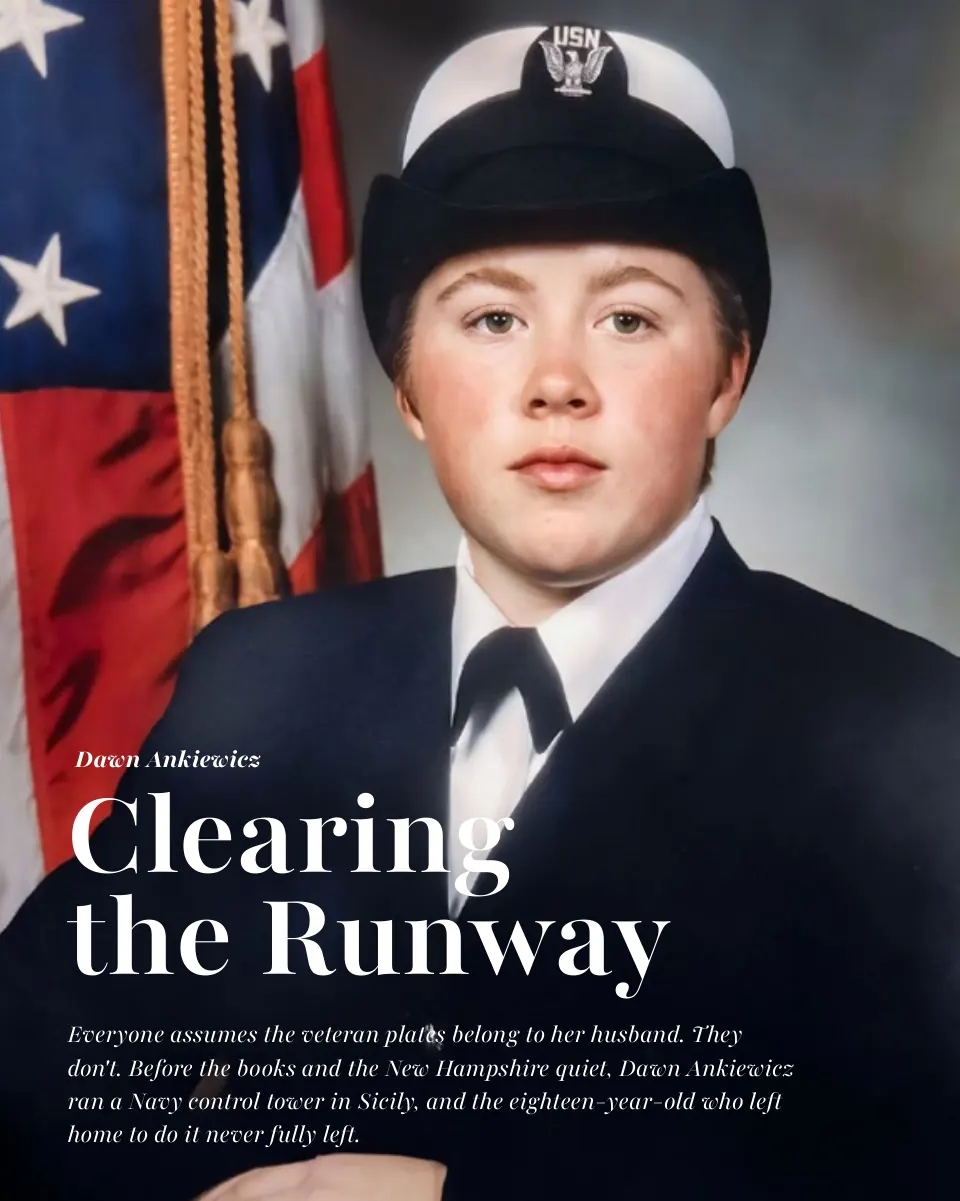 Clearing the Runway
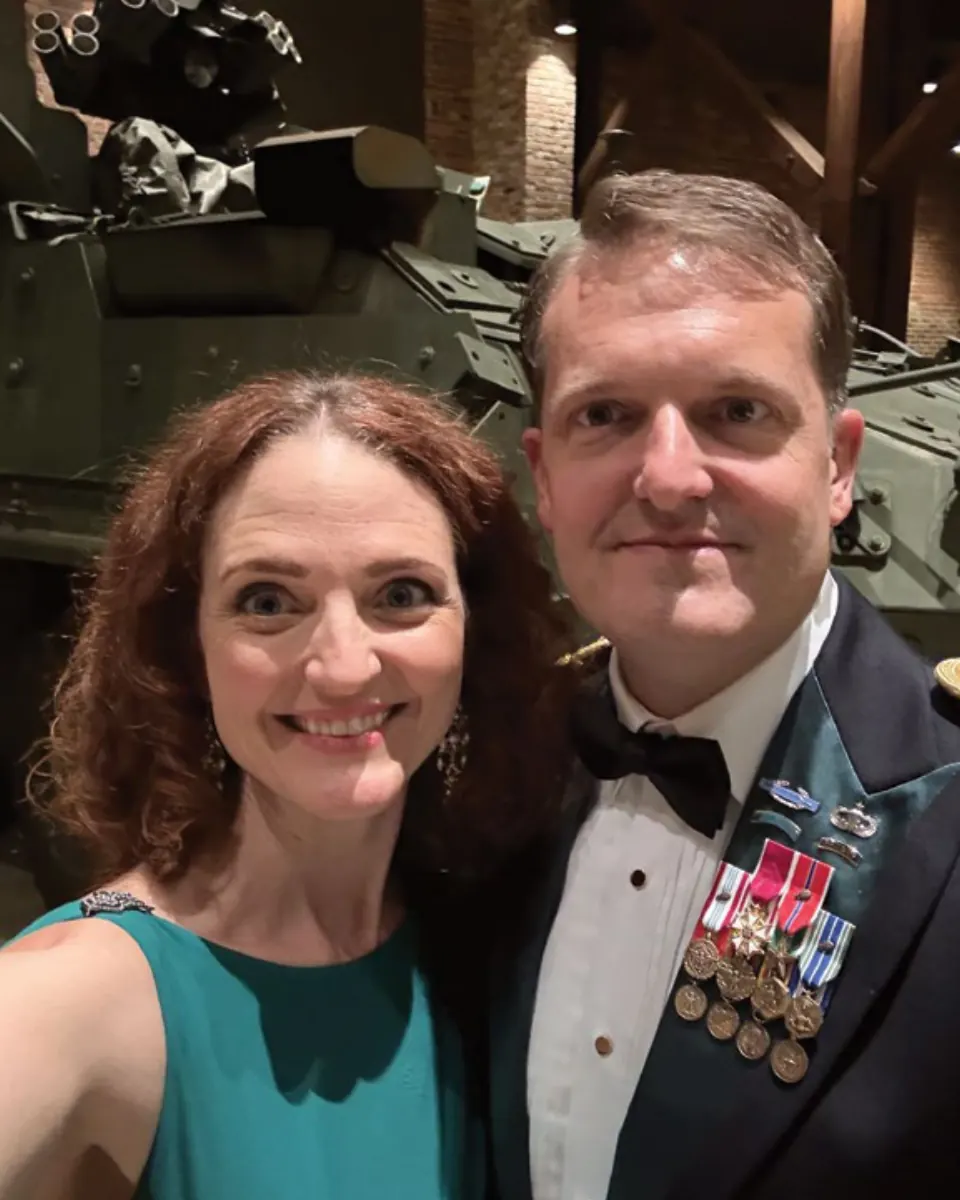 Better Than She Could Have Imagined
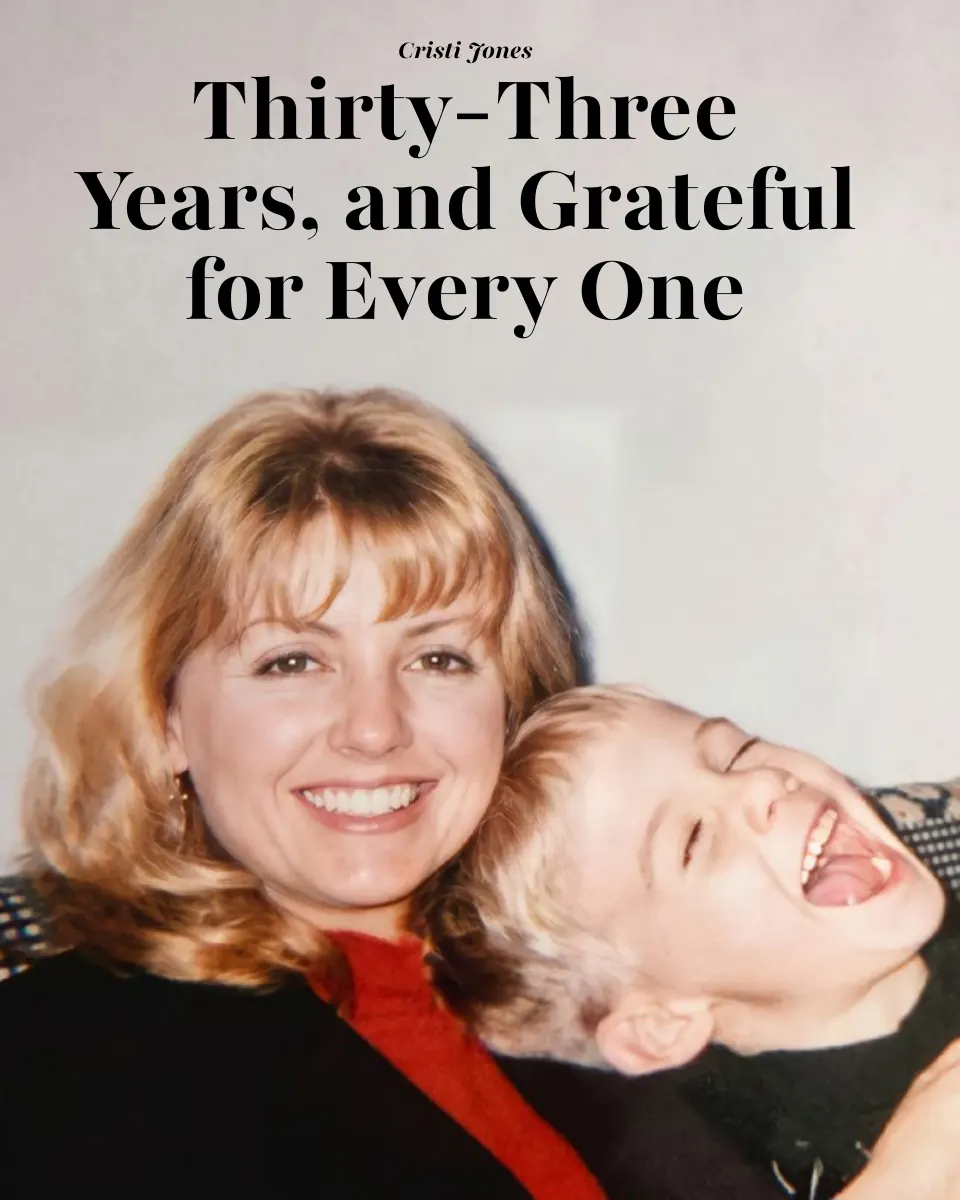 Thirty-Three Years, and Grateful for Every One