Élevé · Issue 2 · Rooted in Resilience
From Hardwood to Horizon
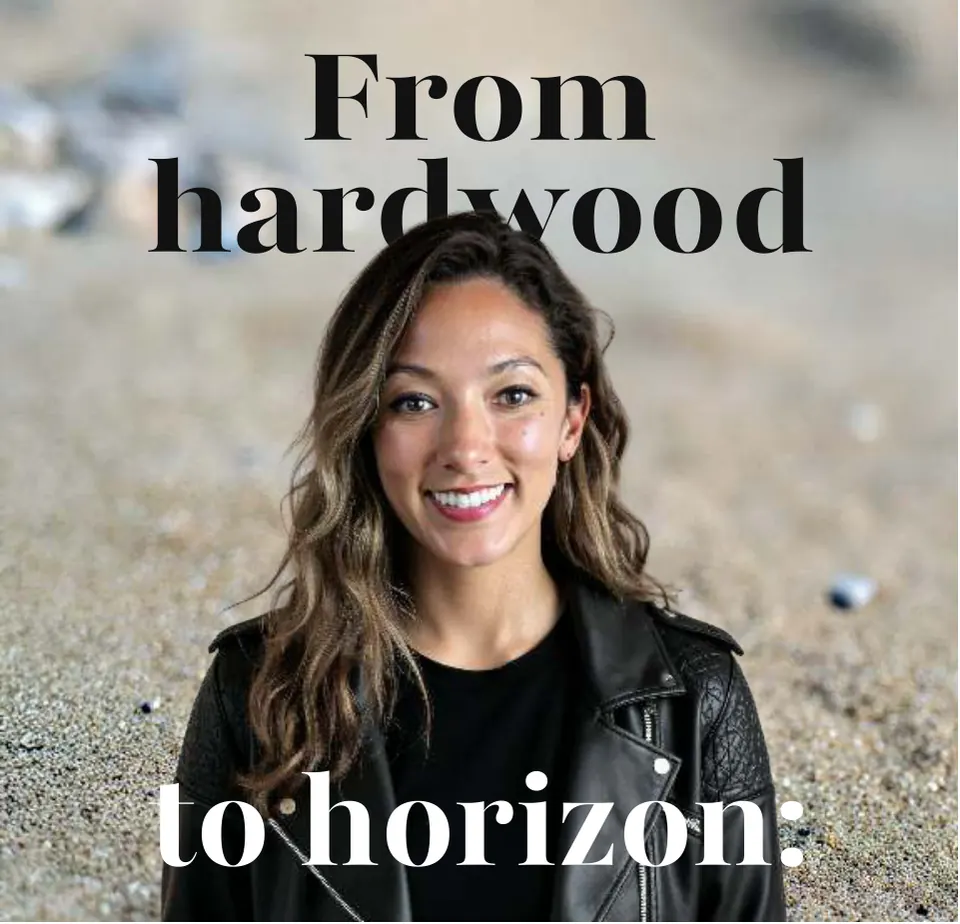
K.C. Eames started playing indoor volleyball at 10 years old, and it rapidly became an all-consuming passion that she took on with the kind of discipline and drive that left little space for anything else. Club seasons bled into high school varsity seasons for year-round training and competition. Her club team’s success carried her to the Junior Olympics at 14, 15, and 16 years old. For most young athletes, it was a dream come true. For her, it was also a countdown. The college recruiting calls came, but so did exhaustion. “My knees were shot,” she recalls. “I couldn’t imagine playing at that high level for another four years.” Walking away from sport was necessary. She told herself she was retired, traded the endless practices for a college experience without sports, and tried to settle into a life where competition didn’t define her. But the itch never left. Every now and then, she’d drift back into a gym for open play, feeling both the pull of the game and the sting of its limitations. The body that had carried her through years of competition always hurt on the hard court. Indoor wasn’t sustainable. And yet, something in her still longed for the rhythm.
Finding the sand
The reset came after a move to Seattle. Her boyfriend, also an indoor volleyball player, suggested they try beach volleyball. It was a casual first encounter, and incredibly humbling. Running and jumping in sand brings a totally new element to the game. The footwork is different; the strategy is a whole new puzzle to figure out. In indoor volleyball, six teammates share the load – in beach there are only two on the court. “It was super frustrating transitioning my indoor training to the beach,” she admits. But it wasn’t long for the frustration to give way to a rekindled passion. What started as just messing around on a sand court one day, turned into an obsession. Eight years later, summers mean playing four or five days a week. Tournaments take her across the West: Denver, Salt Lake City, Seattle, and California. Even winters find her chasing the sand, stepping into warehouse courts in cities that have built indoor beaches for year-round play.
A new game theory
The differences between indoor and beach are more than surface. Six-on-six is pure speed and power. Specialization defines the positions: setter, outside hitter, middle blocker, libero. On the beach, well roundedness prevails. “You have to be good at everything,” Eames explains - serving, passing, setting, attacking, defending. That completeness is both daunting and addictive. The strategy shifts, too.
It becomes as much a cerebral game as a physical one, where finesse, placement, and anticipation can outplay the hardest hitting teams. This complexity keeps her hooked. It challenges her body without breaking it, and it forces her to keep learning. Burnout turned into curiosity. The game became sustainable again, but also endlessly new.
Rituals of presence
Unlike many athletes, Eames doesn’t have superstitions or elaborate pre-match rituals. What she has is a mindset. At 15 years old, mistakes unraveled her. One mistake became two, then three, and quickly spiraled into a negative mindset that dragged into the next play. As she’s matured, she’s learned to reset. “If you shank a ball, just take a mental note for what to correct, but move on. This next point is fresh and new.” That discipline has carried into the rest of her life. In work and life, there are no blueprints, missteps are inevitable. Volleyball gave her the resilience to face them. “Not every day is going to be easy, and I’m not always going to know exactly how to do something. But I don’t shy away from new challenges because that’s part of growth. “
Shifting partners, adapting play
Beach volleyball is as much about chemistry as it is about skill. Professionals might stay with one partner for several seasons in a row, but for Eames, the mix has been fluid. “You might play a few seasons with one and chances of winning. It’s demanding, but also expansive. Playing with different people has pushed her to evolve, to avoid stagnation. “It pushes me to get better.”
A community like no other
partner, and then find that you’ve outgrown each other,” she says. She often finds and plays with different partners in different cities. The variety has sharpened her adaptability. Every new partner means adjusting sets, altering tempo, and learning to optimize the partnership
At many of these beach tournaments, amateurs and professionals share the same sand. The pros aren’t cordoned off. They’re warming up on the next court. Eames has joined clinics and camps run by pros and met several Olympians. It’s unthinkable in most professional sports and yet intrinsic to this one. That openness shapes the culture. Casual, sun-soaked, a little rebellious. “There aren’t many other pro sports where you have that close connection to the top athletes,” she says.
Inspiration in unexpected places
At 5’9”, Eames fits the archetype of the tall athlete. She also plays soccer and dabbled in track and field, competing in events such as discus, shot put, long jump, triple jump, and high jump. But volleyball was always the throughline. Her true role models, though, aren’t the names on highlight reels. They’re the friends she plays with. Women in their late thirties and forties, mothers who have returned to the sport after pregnancy, and raising young children, who have reclaimed the strength and agility of their younger days and find time to prioritize this shared passion. She’s impressed with those women who still compete fiercely at this stage in life. “It’s incredible to me,” she says, awed.
Playing forever
For Eames, the future isn’t about retiring into coaching. It’s about longevity. She recounts the delight of her first “Dinosaur Tournament,” where partners must add up to at least 75 years in the women’s division, and 85 for men. She played with a 42-yearold teammate, facing women in their fifties who outsmarted them. It was humbling but also inspiring. Game smarts can trump speed and strength. “I can keep playing as long as I want,” she insists. Even as the body slows, the game offers other ways to win. To that end, she trains daily. Soccer, cycling, weightlifting, and sessions with a personal trainer are her constants. “I want the strongest body I can have for as long as possible. If I don’t move, I’m agitated and irritable. It’s just a part of my identity.”
The calling of play
Perhaps her most profound reflection is this: sports aren’t only for youth. In college, she believed otherwise, drifting without a game to anchor her. Finding beach volleyball changed that. It reminded her that passion can evolve, that games can be lifelong companions rather than childhood phases. She’s seen it again with pickleball, a new obsession picked up in the fall, where rapid improvement fuels her joy. She encourages others to rediscover the movement they loved as kids or find something new that lights them up. “Adults forget sometimes,” she says. “But you can still pursue new hobbies, still play.” What began as a story of burnout is now a blueprint for sustainable passion. Volleyball didn’t end; it transformed. And on the sand, under open skies, K.C. Eames plays on every point a new beginning.
Text adapted from the print edition of Élevé.
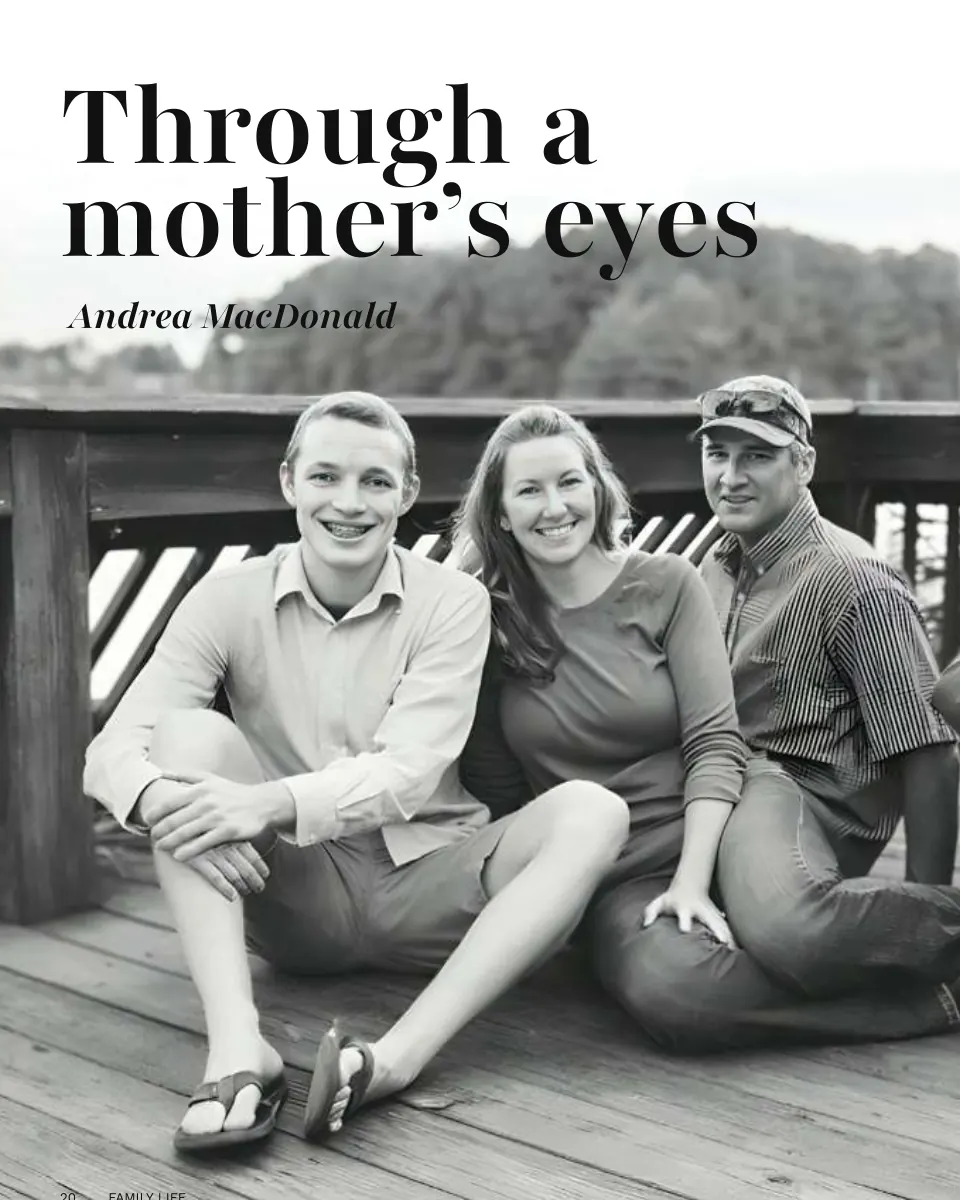 Through a Mother’s Eyes
 The Decade She Stayed Silent
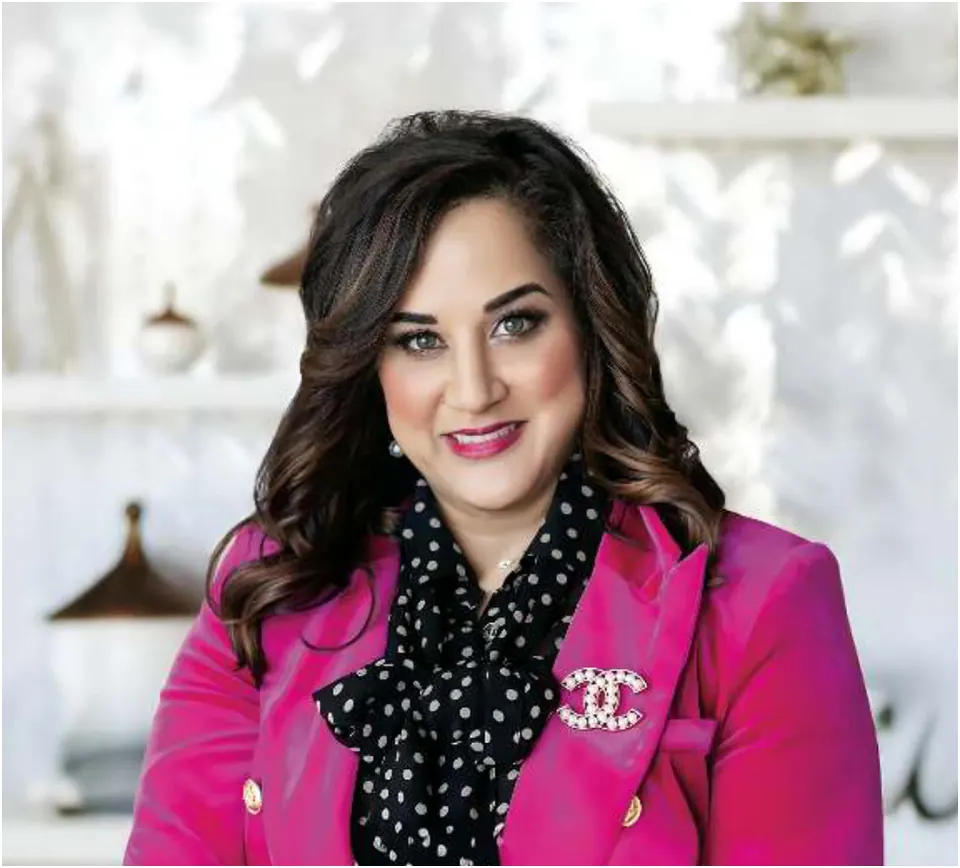 You Can Go There, but You Can’t Stay There