Élevé · Issue 2 · Rooted in Resilience
Breaking the Silence

When Aitza first met him, she was only fourteen. A high school freshman, still mapping out who she was in the world, she thought she was stepping into a teenage romance. Her cousin was dating his friend, and what started as convenience bloomed into familiarity. At that age, no one warns you what control disguised as devotion looks like. No one hands you a checklist of red flags. At first, she told herself it was love. The way he wanted her close, the way he said she didn’t need those other friends. “At the time, I thought, okay, this is what relationships are,” she says now. “But looking back, that was the isolation beginning.”
When love turns into silence
By sixteen, things had shifted. Arguments sharpened into verbal barbs. Privacy became secrecy. And then, one day in his kitchen, words
“That was the first time it happened in public,” she says. “And when the NYPD shoved me aside and threw him against a wall, I think that's when I realized this is going to get bad. It's now like happening in public. I think that was like my wake up call.” Still, leaving took time. As research shows, it takes most survivors seven attempts before they leave for good. Aitza was no exception. “I stuck around for a few more months after that,” she admits. “I tried to cool things down, but the closer my college start date got, the worse his behavior became. I went to college in the fall on a full scholarship, and found out he had cheated and got another woman pregnant about a month after. She knew about me and knew what kind of person he was, but made her choice. It reinforced what I'd started to realize that day in New York. this just keeps happening, drawing more people into the cycle. I had opporturned into physical violence. “I was in shock,” she remembers. “I thought, what is going on? But then came the apologies, the promises, the stories that it was my fault, that I had made him lose control.” It’s a script familiar to anyone who has endured domestic violence. The pattern of blame, apology, and reconciliation is engineered to trap. The cycle kept her tethered for years, through late high school and into her freshman year of college. “He was good for two years,” she told herself. “So it must have been me that caused the change.”
The parade
The breaking point didn’t come in private. It came in New York City, during the Puerto Rican Day Parade; the summer right before starting her freshman year in college. In a crowd, surrounded by his friends and hers, he hurt her, pinching, pulling, asserting dominance in plain sight. tunities ahead of me, and I realized I needed to take them before I got pulled in any deeper.
Rebuilding the self
Walking away didn’t mean instant freedom. Abuse lingers in the body long after the relationship ends. Loud voices, sudden movements, even kindness can feel like triggers. “It took me six years to really feel safe again,” she says. “And longer than that to stop seeing red flags everywhere.” Therapy helped. Speaking at a domestic violence event during college cracked open the silence. Using her platform as a money coach to talk about financial abuse gave her a way to reclaim control. And connecting with other survivors taught her she wasn’t alone. “I used to feel so much shame,” she admits. “I’m a strong-willed person. How could I let this happen to me? But abuse is psychological long before it’s physical. It’s not about weakness, it’s about manipulation. Once you understand that, you start to forgive yourself.”
The long shadow
Even years later, remnants of trauma echo. In early relationships, she kept walls high. “I was harsher with men than with friends,” she says. “One mistake, and you were done. It was my way of protecting myself.” But over time, and with faith, she softened. “My relationship with God has deepened over the last two years,” she says. “It’s helped me heal the inside. It gave me clarity.” She even met with her abuser once, in a public park, to reclaim her voice. “I wouldn’t recommend it for everyone, when I look back, I realize how dangerous that was,” she says carefully. “But for me it isn’t. Don’t isolate yourself. Tell your friends. Tell somebody. You don’t need to save your abuser. Save yourself.” And to anyone still caught in the cycle: “Start to build your network. Make a plan. Cut ties when you can. It’s dangerous when you leave, but it’s also the first step to freedom. And please, go to therapy. You deserve to heal.” in that moment, it was a way of taking back my power. I told him: you have a daughter now. Pray she never goes through what I went through.” Her instinct about the danger was sound. While the immediate aftermath of leaving an abusive relationship is statistically the most perilous time for survivors, experts warn that the threat can persist for years. Many abusers view any contact, even years later, as an opportunity to reassert control or retaliate.
The other side
When Aitza looks back at the girl she was, isolated, ashamed, convinced she was to blame, she hardly recognizes her. “At that point, I didn’t even think I’d make it to college,” she says. “Now, I run my own business. I help people. I live in Miami. My life is full.” Her story isn’t about the violence. It’s about the resilience that follows. “Whatever dark place you’re in, know that five years, seven years, even one year down the road, you can be somewhere completely different,” she says. The lesson is clear: survival is not just about escaping. It’s about reclaiming power, rewriting the story, and reminding others, especially the ones still trapped, that freedom is possible.
Breaking stigma
Perhaps the most dangerous myth is that abuse is rare. In reality, it’s everywhere, in neighborhoods, boardrooms, even in the lives of women we admire. Aitza remembers interviewing at a Big Four accounting firm, and when asked about her sorority involvement, she mentioned their mission: raising awareness of violence against women. She worried that bringing up such a personal topic during a professional interview would cost her the job. Instead, the partner across the table confided she too had survived. “You would never imagine,” Aitza reflects. “A partner at a firm, a woman so accomplished, had gone through this. But that’s how common it is.”
October matters
This story arrives in October, Domestic Violence Awareness Month. It’s a reminder that while breast cancer awareness fills billboards and fundraisers (as it should), another epidemic lives in silence behind closed doors. Survivors need just as much visibility, just as much support. If you or someone you love is experiencing domestic violence, please know: you are not alone. Call the
Her message now
Today, Aitza is thriving. She moved from Connecticut to Miami, built her own business, and uses her voice to raise awareness, particularly about financial abuse, a form often overlooked. She teaches women how to protect themselves, build secret savings, and craft exit strategies. Asked what she would say to her younger self, she doesn’t hesitate. “Trust your gut. If it doesn’t feel right,
National Domestic Violence Hotline at 800-799-7233 or text “START” to
88788. For confidential online chat, visit thehotline.org. If you are in immediate danger, dial 911.
Autumn is a season of warmth; roasted flavors, rich textures, and slow moments at the table. These recipes are made for sharing, whether you’re hosting friends or enjoying a quiet night in.
Apple & brie crostini with honey drizzle Elegant finger food with minimal effort.
1 baguete, sliced and toasted
8 oz brie, sliced
2 apples, thinly sliced
2 tbsp honey
Fresh thyme sprigs
Directions: Layer baguette slices with brie and apple. Drizzle with honey and top with thyme. Serve warm or at room temperature.
Pairs with: A glass of spiced cider or your apple cider bourbon fizz.
Roasted butternut squash soup with sage brown butter
Golden, and deeply comforting.
1 large butternut squash, peeled and cubed
2 tbsp olive oil
1 onion, chopped
2 garlic cloves, minced
4 cups vegetable broth
½ cup heavy cream
(or coconut milk for dairy-free)
4 tbsp unsalted butter
Fresh sage leaves
Salt + pepper
Directions: Roast squash with olive oil, salt, and pepper at 400°F until tender. In a pot, sauté onion and garlic, then add squash and broth.
Simmer, then blend until smooth, and stir in the cream. In a small pan, melt butter with sage until crisp. Drizzle sage brown butter over each bowl.
Pairs with: Warm sourdough and a crisp green salad.
Caramelized pear crisp Golden, cozy, and perfect for sharing.
6 ripe pears, sliced
2 tbsp butter
¼ cup brown sugar
1 tsp cinnamon
1 cup oats
½ cup flour
½ cup brown sugar
½ cup cold butter, cubed
Directions: Cook pears with butter, brown
sugar, and cinnamon until soft. In a bowl, mix the oats, flour, sugar, and butter until the mixture is crumbly. Layer pears in a baking dish, top with crumble. Bake at
375°F for 30–35 minutes until golden.
Pairs with: Vanilla ice cream or whipped cream.
Text adapted from the print edition of Élevé.
 Unseen Battles
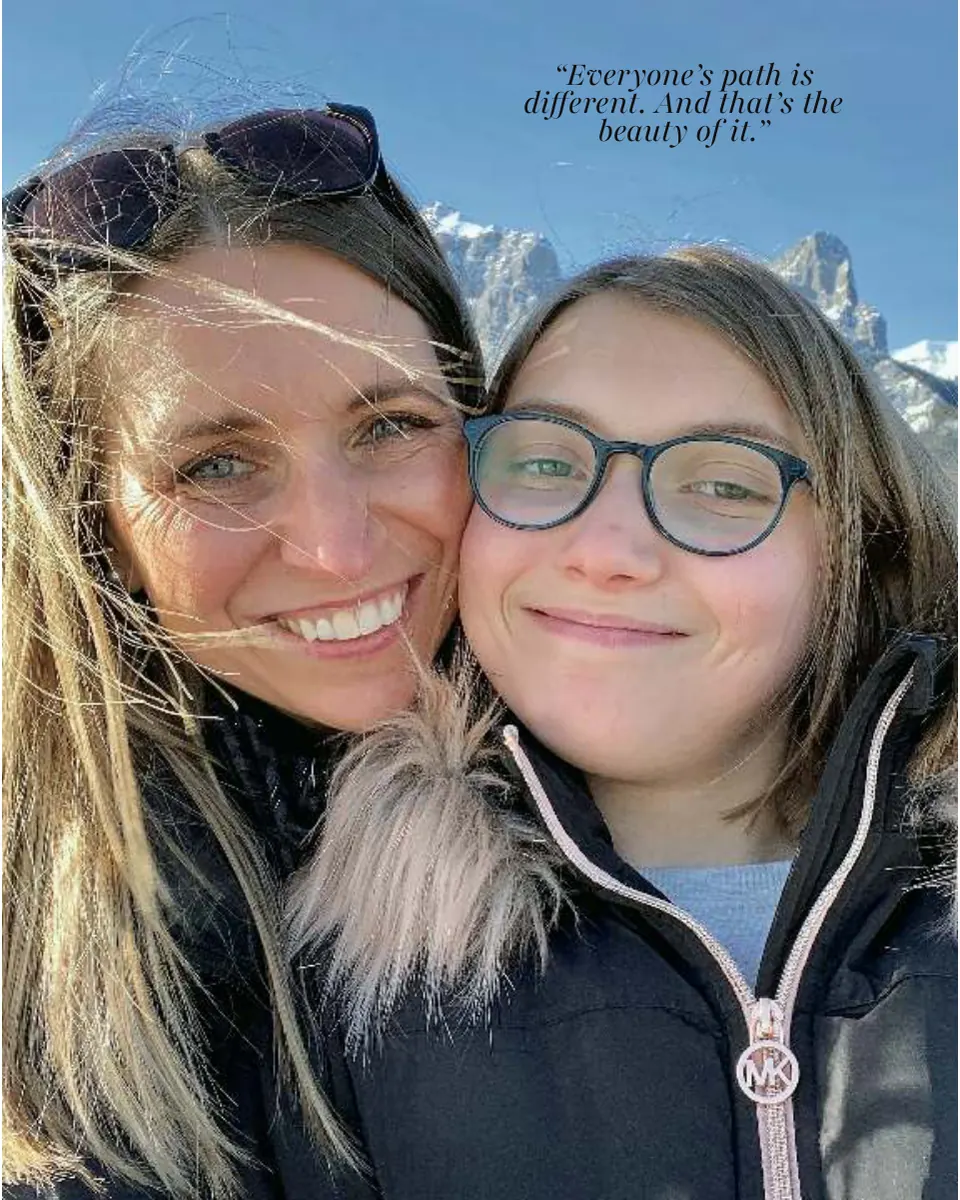 I Was Scared, but I Did It Anyway
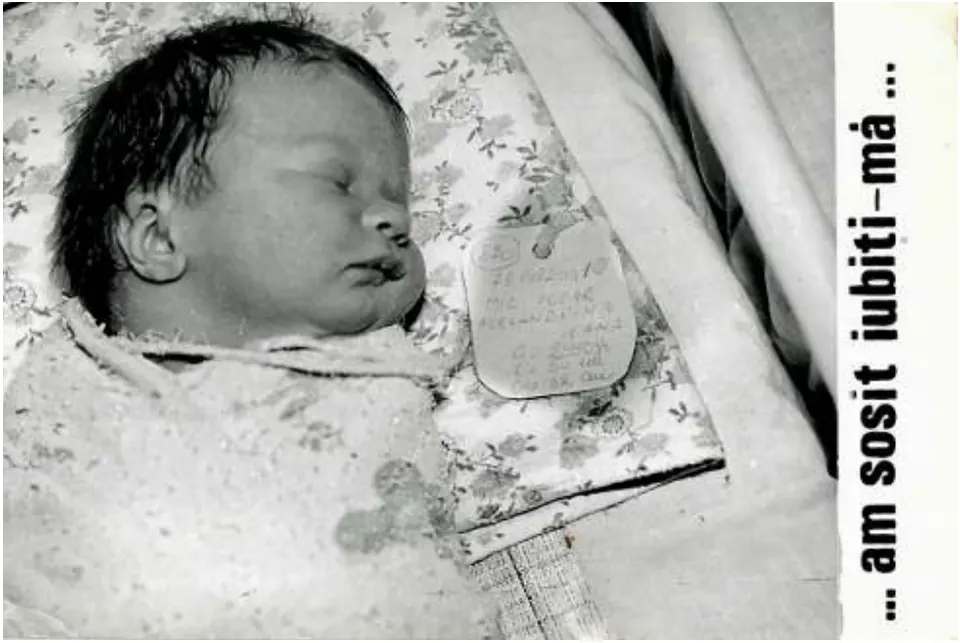 Growing Up Under Communism, Leaving Everything Behind, and Finding the American Dream