Élevé · Issue 2 · Rooted in Resilience
The Slow Evolution of Julie DeLong
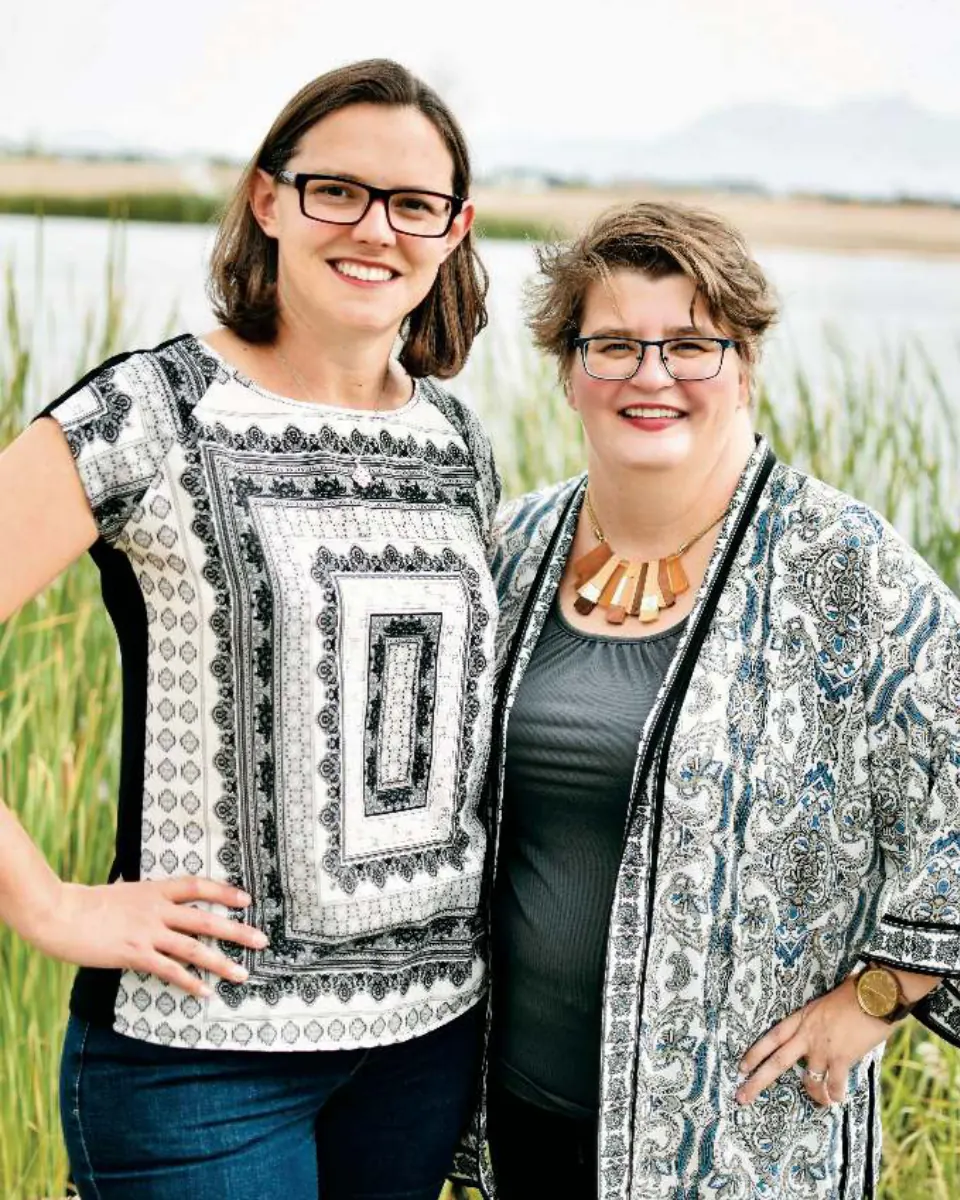
When Julie DeLong looks back on her early years, what strikes her most is not a single defining decision but the absence of one. “I was one of those people who couldn’t decide what they wanted to learn,” she recalls. “I bounced around to a bunch of different departments. By the time I needed to graduate, I had way too many credits.” Economics, ultimately, became her degree, not out of passion or strategy, but because it was the most practical way to finish. “It was interesting, yes, but not anything I thought I’d build a career around.” At the time, graduate school seemed like the next logical step. She was good at school, so why not keep doing it? But her friend, Alex Mic-Podar, offered a blunt observation, “you’re only considering grad school so you can postpone making real adult decisions.” Julie laughs at the memory now. “She was right. I didn’t want research or a thesis. I just didn’t know what else to do.” That wake-up call nudged her toward the workforce, a reality that was more sobering than liberating. “You find a job posting, get excited, pour time into an application, and then hear nothing. It was disappointing.” What began as a practical need for part-time work led her to an office assistant role at a snowboard shop, and with it, the first spark of her accounting career.
Discovering a love for numbers
“I liked accounting almost immediately,” Julie says. “The organization of it, the puzzle-like quality of figuring out how things work, it just clicked.” She laughs when remembering how her economics background briefly resurfaced. Out of curiosity, she ran a regression analysis to measure the impact of snowfall on snowboard sales. “I calculated that one extra inch of snow meant an extra thousand dollars in revenue. I showed my boss, and he just looked at me and said, What am I going to do with this information?” It was a telling moment: Julie’s love for structure and frameworks was real, but the practical application would take time to shape.
A shift in mindset
Julie’s father had always imagined a different path for her. A mathematician and systems engineer who built a career at Hughes Aircraft, he believed in the old promise of security: a good company, a steady paycheck, long-term loyalty. Julie, at first, assumed that was the right path too. But the world had changed. “I don’t think working for someone else is the safer option anymore,” she says. “The safe thing is learning how to adapt. Building business skills. Figuring out how to survive change.” That adaptability was something Julie didn’t yet have, but Alex did. Having grown up moving from country to country, Alex had developed survival instincts out of necessity. Julie, by contrast, was used to structure: “Give me the program, I’ll sit down and do the work.” Together, the two became unlikely but complementary partners, slowly building a business that leaned on both of their strengths.
Learning the hard way
The growth was anything but linear. Their first employee hire, Julie admits, was “a complete disaster.” Still, they tried again, cautiously, then confidently. A few part-time employees became a small firm. A small firm became something larger. One turning point came in 2010, when they hired a business coach. “They were terrible coaches,” Julie laughs, “but they were great at sales.” While the advice wasn’t groundbreaking, the experience pushed Julie and Alex to rethink their own process. The traditional sales model, multi-step discovery calls and polished presentations, didn’t feel right for them. Instead, they designed a system where potential clients could get a price at the very first meeting. “Why drag it out if you don’t have to?” Julie asks. That decision alone accelerated growth and set the tone for their future approach: practical, efficient, and unafraid to break the rules.
Ahead of the curve
Another key shift came in 2011, when Julie and Alex made the then-radical decision to close their physical office and go fully remote. A decade before it became the norm, they were experimenting with video conferencing and cloud storage. “We had to figure it all out from scratch, communication tools, document sharing, how to manage a remote workforce.” For someone who never pictured herself as a manager, the adjustment was profound. “I don’t think I’m a great manager even today,” Julie says with honesty. “I manage because I have to. But over time, we got good at hiring, and that changed everything.” At their peak, the firm employed nearly 50 people. Today, they operate with about 30, a deliberate shift that reflects both hard lessons and smarter systems.
Surviving the great resignation
COVID brought unique challenges. Many of their employees were stay-at-home mothers. When schools closed and households shifted, attrition hit hard. Instead of fighting it, Julie let it happen. “The people who stayed were the ones who were truly committed, who had the time and energy to give.” In response, Julie and Alex invested in tools that increased accountability and efficiency, enabling them to produce more with fewer people. “It was painful,” Julie admits. “But it forced us to build systems that ultimately made us better.”
Teacher, manager, or something else?
When asked if she ever imagined herself as a teacher, Julie pauses. “That’s something I could picture for myself back then. But I’ve realized I’m not great at teaching either, at least not consistently.” What she is good at, she’s learned, is building frameworks. “If we’re launching a new service, I can map out every piece it will touch: onboarding, sales, training, documentation. I can’t do all of it myself, but I can see how it all fits together. That’s my strength.” It’s a revelation that feels like a natural extension of the way she first fell in love with accounting, the behind-the-scenes architecture that makes things run.
Mistakes as milestones
Julie is quick to acknowledge her missteps. The wrong hires. The projects that started too late. The time wasted on things that didn’t work. And yet, she has no regrets. “Every mistake taught us something that made us better the next time. That’s the slow evolution. You don’t leap forward overnight, you inch forward, sometimes by trial and error.” She lights up when talking about others who have reinvented themselves, especially later in life. One friend in her 40s went from a struggling massage therapist to a multimillion-dollar coach, independent musician, and bodybuilder, all within a few years. “Seeing that reminds me anything is possible,” Julie says. “I’m only halfway through my life. What else can I do?” Health, patience, and perspective This past year brought personal challenges, a broken ankle, lingering heart issues, and the looming reality of an ablation surgery. Julie describes it as a “reality check.” “These are old-person problems,” she says with a laugh, “and suddenly I’m the old person.” But rather than discouragement, she finds motivation. “I want to rebuild my energy and rediscover old hobbies, music, writing, maybe something new.” Her perspective on growth mirrors the lessons of her business. “People overestimate what they can do in a short time and underestimate what they can do in a long time. Ten years ago, I would have laughed if you told me where we’d be today. But small, consistent efforts compound. That’s where the magic happens.”
What’s next?
Julie doesn’t pretend to have all the answers. She’s still evolving, still experimenting, still building. “Alex and I are working on new things for the business that we’re really excited about, but it’s too early to share.” What she does know is this: the next decades may be her best. “The accounting industry is changing rapidly. It’s easy to see that as scary. But I’ve learned those moments of change are also moments of opportunity.”
The slow evolution
Julie’s journey doesn’t fit the script of an overnight success story. It’s quieter, steadier, and perhaps more radical for its lack of drama. She didn’t set out to be a business owner. She didn’t plan to lead a team of dozens. She didn’t chart a course with precision. Instead, she adapted. She learned. She built frameworks, made mistakes, and tried again. “The slow evolution,” she says, “is what gets you there. You just have to be patient.”
Text adapted from the print edition of Élevé.
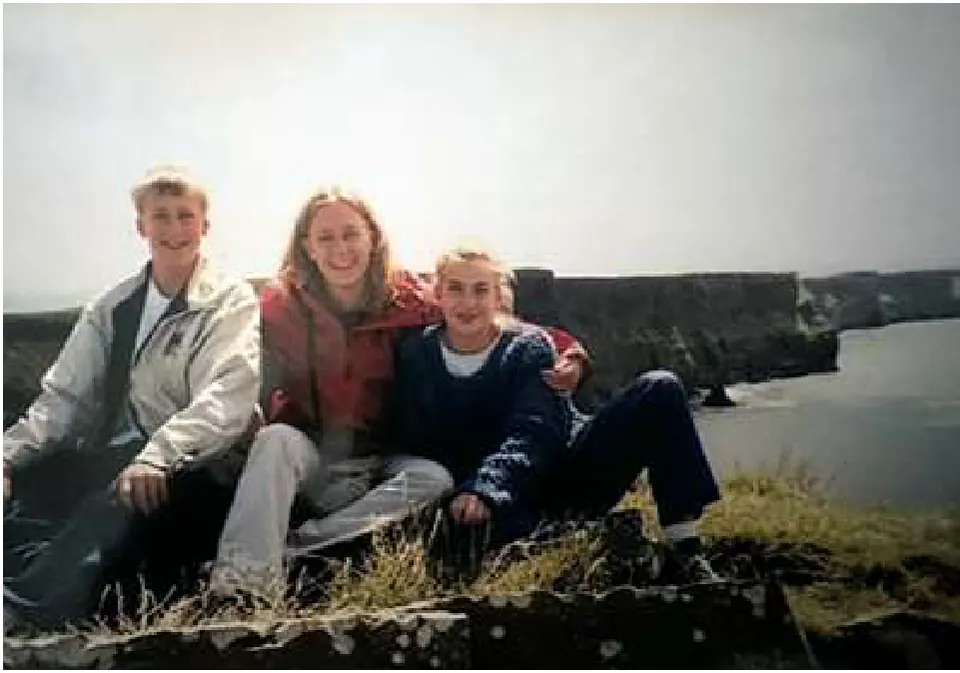 How Travel Taught Shea to Slow Down and Savor Life
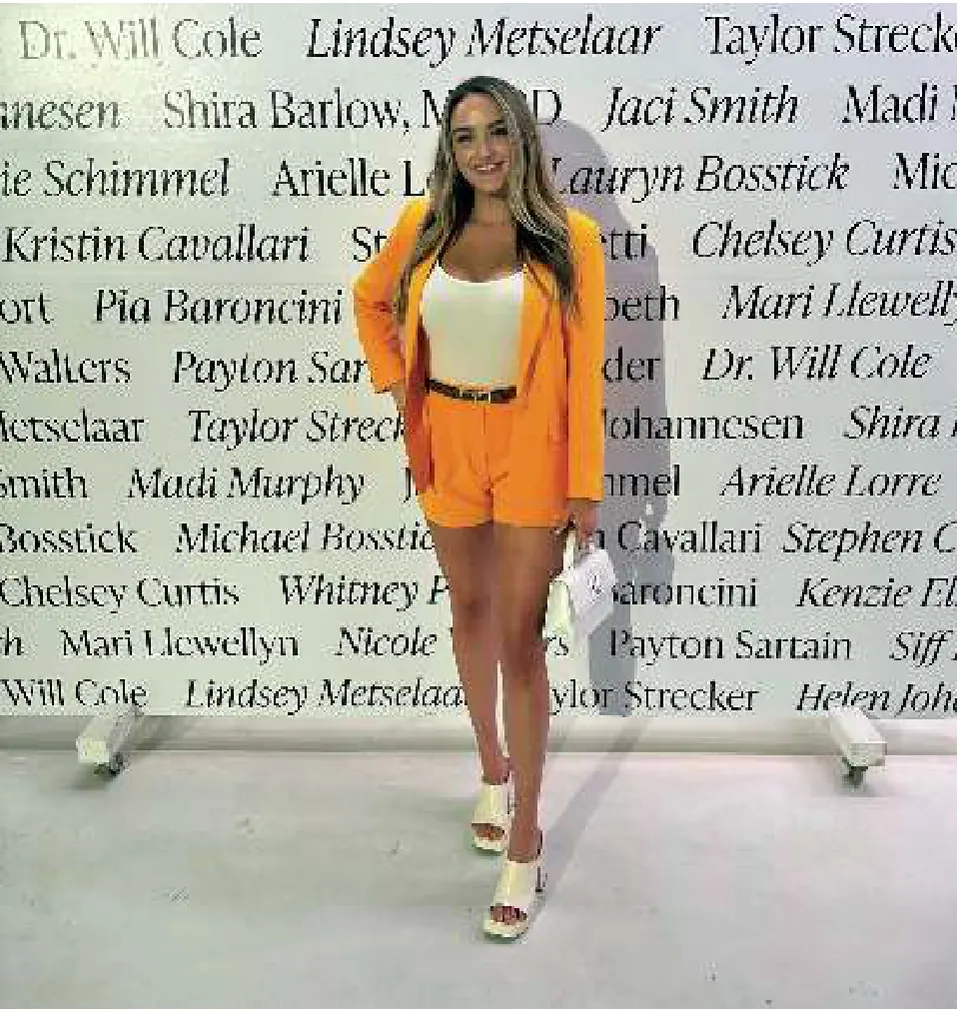 Editor’s Letter
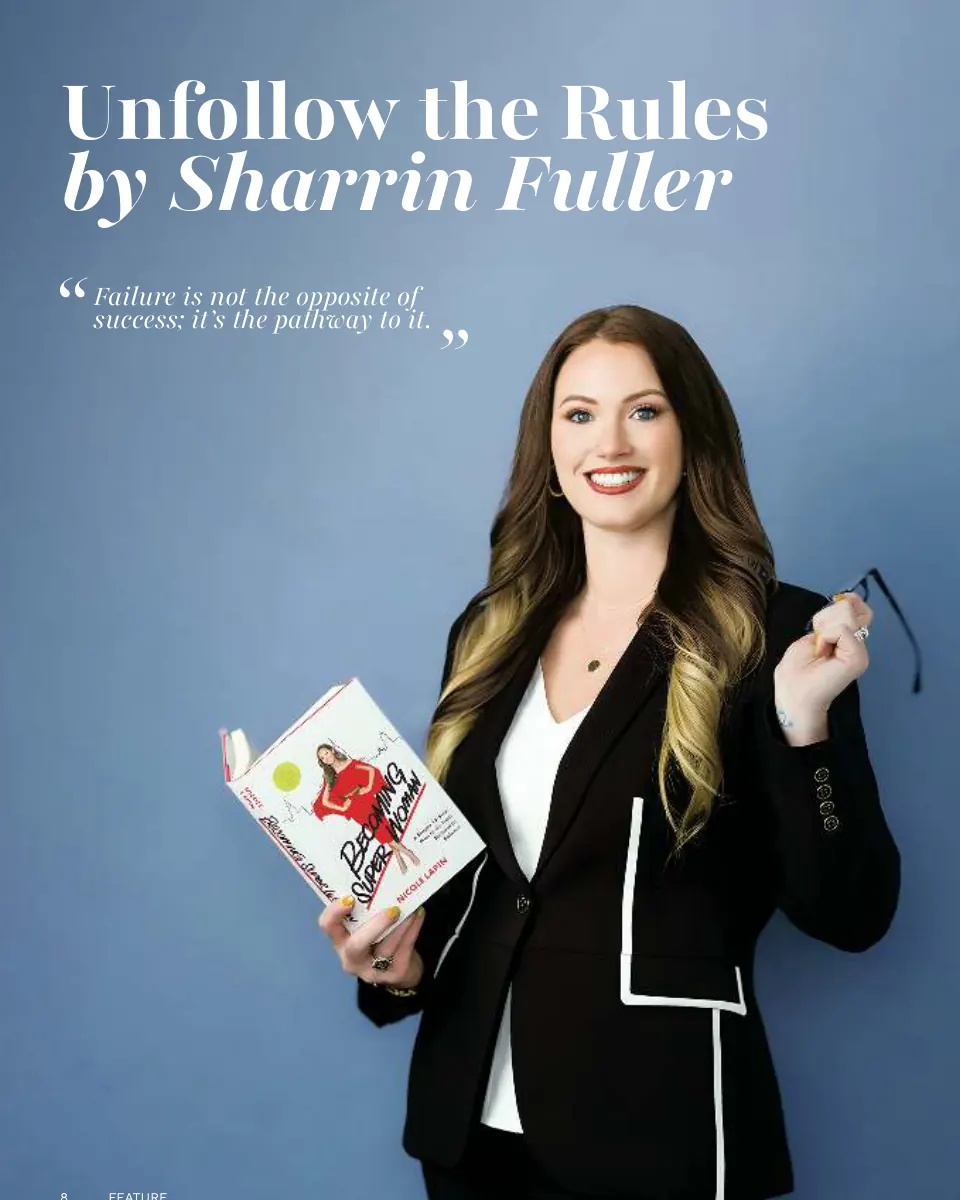 Unfollow the Rules